

Selecting the appropriate air compressor for your facility is a crucial decision that can significantly impact your operation’s efficiency, productivity, and bottom line.
As the founder of Wright Air, I’ve seen firsthand how the right compressor can make all the difference. Here, I want to share seven steps to help guide you through this critical choice.
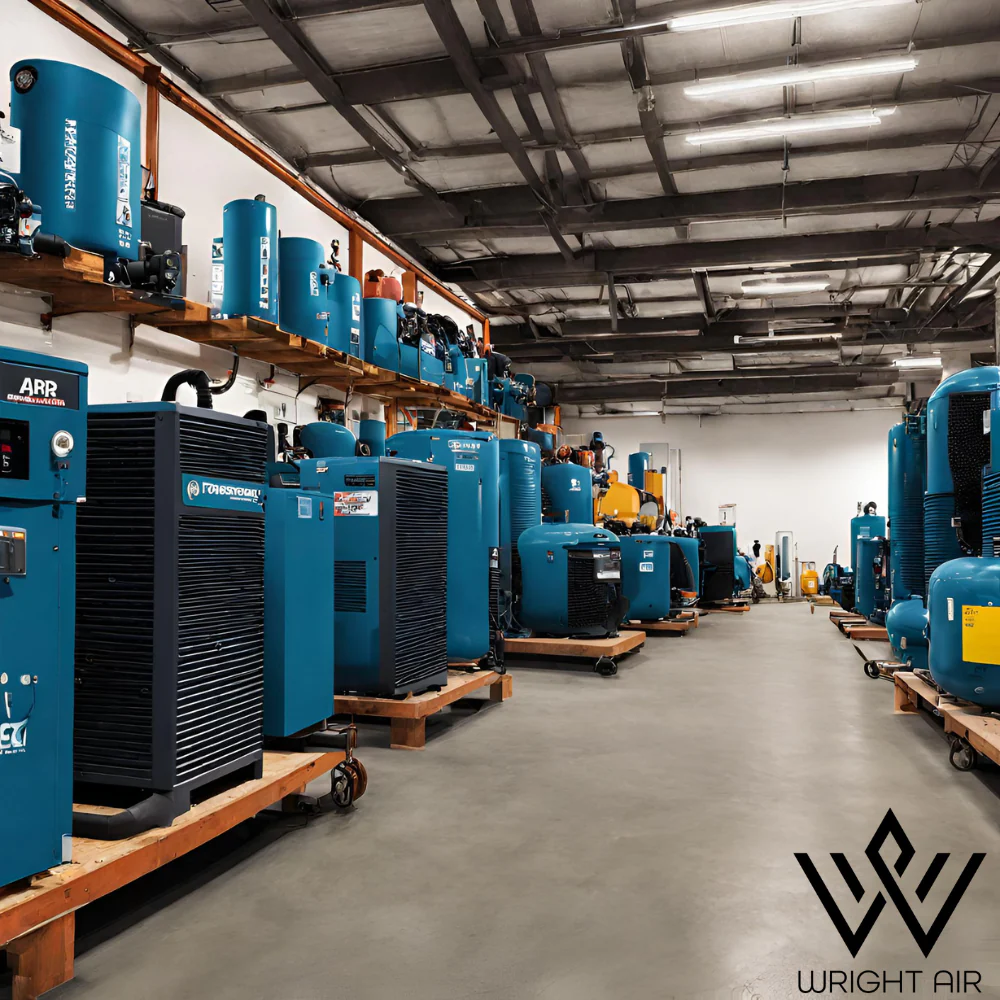
1. Understand Your Air Demand:
The first step in selecting the right air compressor is understanding your facility’s air demand. Consider both the volume (measured in CFM, cubic feet per minute) and pressure (measured in PSI, pounds per square inch) requirements of your operations. Remember, overestimating your needs can lead to unnecessary energy consumption and costs, while underestimating can compromise your operations’ efficiency.
2. Fixed Speed vs. Variable Speed Drive (VSD):
Choosing between a fixed speed and a VSD compressor is vital. Fixed speed compressors are best suited for operations with a constant demand for air. In contrast, VSD compressors adjust their motor speed to the air demand, offering significant energy savings for facilities with fluctuating air needs.
3. Consider the Environment:
The operating environment is a critical factor in selecting an air compressor. A harsh, dusty environment may require a more robust system with advanced filtration, while a clean and controlled environment might allow for more standard options. Additionally, consider the ambient temperature, as extreme cold or heat can affect compressor performance.
4. Energy Efficiency Matters:
Energy efficiency is a key consideration, given that the energy to run an air compressor can constitute over 70% of its total lifecycle cost. Opt for compressors with high-efficiency motors and consider energy recovery options, which can significantly reduce overall energy consumption by repurposing waste heat.
5. Maintenance and Reliability:
Look for compressors known for their reliability and ease of maintenance. A reliable compressor reduces downtime and maintenance costs over time. Regular maintenance is crucial for performance and longevity, so consider the availability of service and parts when making your decision.
6. Total Cost of Ownership:
While the initial purchase price is an important consideration, the total cost of ownership (TCO) is even more critical. TCO includes initial costs, energy consumption, maintenance, and potential downtime. A seemingly expensive compressor might offer lower TCO through higher efficiency and reliability.
7. Future-Proofing Your Investment:
Your facility’s air demand might change as your business grows or evolves. Choose a compressor that can scale with your needs, either through modular expansion or by operating efficiently at partial loads. This flexibility can save you from needing to purchase an entirely new system as your requirements change.
At Wright Air, we understand that choosing the right air compressor is a significant decision for any facility. By considering your air demand, operating environment, energy efficiency, maintenance, reliability, total cost of ownership, and future needs, you can make an informed choice that supports your operational goals and bottom line.
Remember, the cheapest option upfront may not always be the most cost-effective in the long run. Investing in the right compressor is investing in the efficiency and sustainability of your operations.
If you have any questions or need further assistance contact us on info@wrightair.co.za, our team at Wright Air is here to help guide you through the process, ensuring you select the best air compressor for your specific needs.
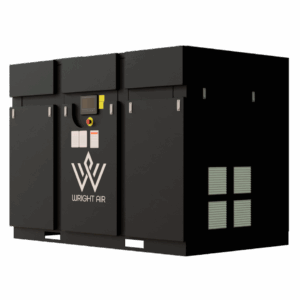
Two Stage Screw Compressors

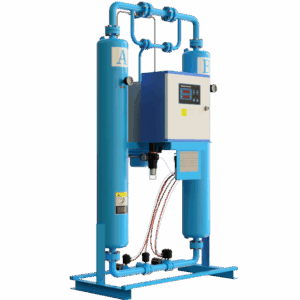

Desiccant Dryer
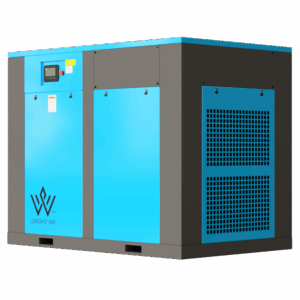
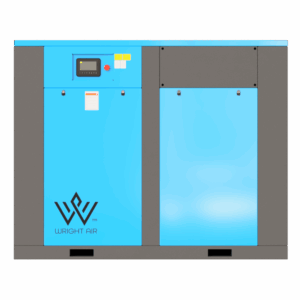
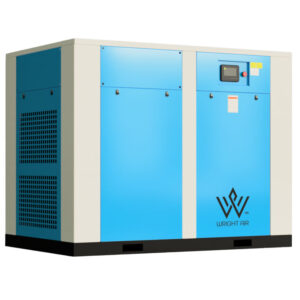
Screw Compressors
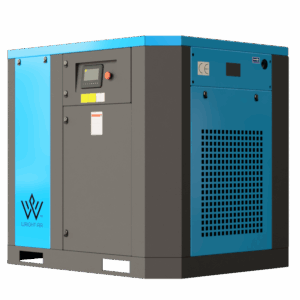

Screw Compressors
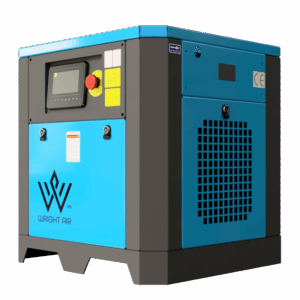

Screw Compressors

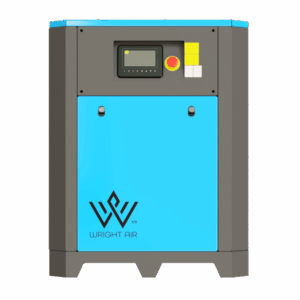
Screw Compressors