

Focusing on Condition-Based Care Over the Calendar
Discover how AI, IoT, and smart monitoring are transforming compressed air systems. Learn how Wright Air improves efficiency, reduces downtime, and delivers data-driven industrial solutions.
Why Smart Compressed Air Matters
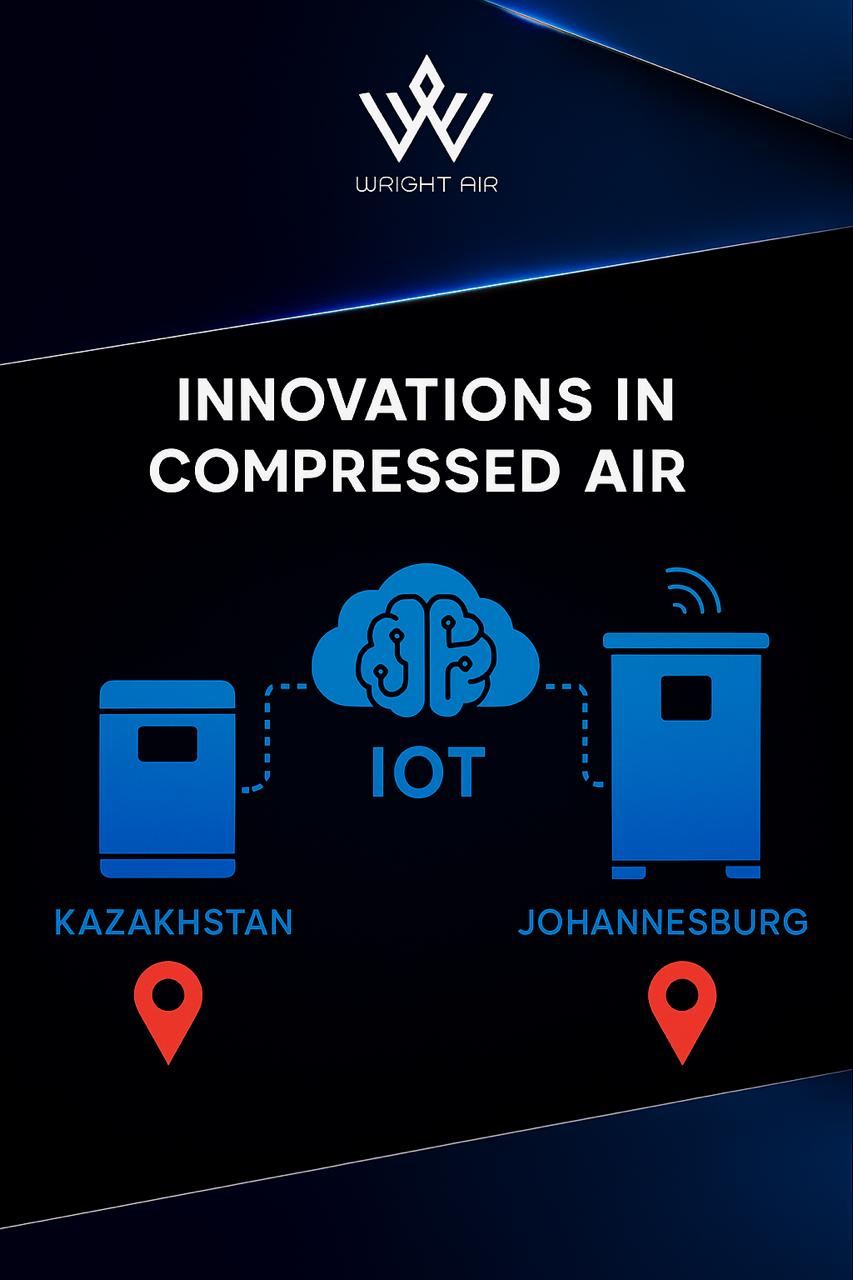
Compressed air is often considered the “fourth utility” (after electricity, water, gas) in many manufacturing and industrial operations. But unlike fixed utilities, compressed air systems are heavy energy consumers and are prone to inefficiencies (leaks, pressure drops, overrun). By equipping compressors and distribution systems with IoT sensors and AI-driven analytics, operators can monitor health and performance in real time, predict faults before they lead to downtime, adjust operations to match demand, optimize energy use, and enable remote diagnostics.
Core Technologies & How They Work
1. IoT & Sensor Connectivity
IoT introduces a network of sensors, actuators, and controllers that continuously collect data — e.g. pressure, flow, temperature, vibration, even humidity. These sensors can be retrofitted onto existing compressor systems or designed in for new units. They communicate via wired or wireless links, with data aggregated into central servers or cloud platforms, enabling real-time monitoring.
2. AI & Analytics / Machine Learning
Raw sensor data on its own is powerful, but AI unlocks deeper value:
– Predictive Maintenance: AI models forecast when components may fail.
– Fault Detection & Diagnosis: Detects leaks, blockages, and abnormal vibrations early.
– Performance Optimization: Continuously tunes compressor setpoints to minimize energy usage.
3. Remote Monitoring, Dashboards & Alerts
Smart systems provide dashboards and alerts so operators or service teams can view performance metrics, receive warnings for threshold breaches, drill into diagnostics, schedule maintenance, and manage multiple sites remotely.
Key Benefits & Business Impact
The advantages of smart compressed air systems include:
– Less downtime through early fault detection
– Reduced energy costs
– Optimised maintenance spend
– Greater transparency and insight
– Scalable remote oversight
– Competitive differentiation for Wright Air
Challenges & Considerations
Key challenges include initial investment costs, integration with existing infrastructure, ensuring cybersecurity, maintaining data quality, training workforce, preventing false alarms, and managing scalability of digital infrastructure.
How Wright Air Can Position & Deliver Smart Solutions
To lead in this space, Wright Air can pilot smart systems, offer modular retrofit packages, provide proprietary dashboards, bundle services into smart maintenance contracts, train client operators, and highlight measurable success metrics.
Future Trends & What to Watch
Emerging trends include edge AI for faster processing, integration with renewable energy, self-optimizing systems, multi-utility monitoring, advanced contamination sensors, open standards for interoperability, and AI explainability.
Concluding Thoughts
The era of “dumb” compressors is ending. Today, compressed air systems can be intelligent, self-aware, and adaptive. For Wright Air, embracing AI, IoT and smart monitoring isn’t just a technical upgrade — it’s a differentiator, a value-add, and a competitive edge. By helping clients shift from reactive to proactive, data-driven systems, Wright Air positions itself as a strategic partner in efficiency, reliability, and innovation.
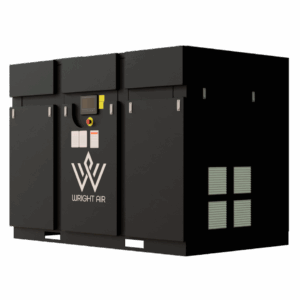
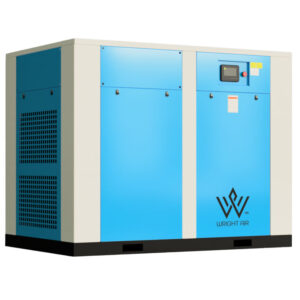
Two Stage Screw Compressors

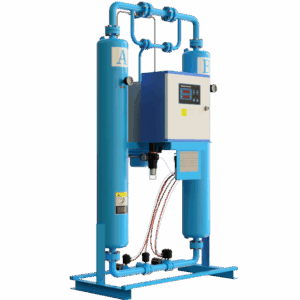

Desiccant Dryer
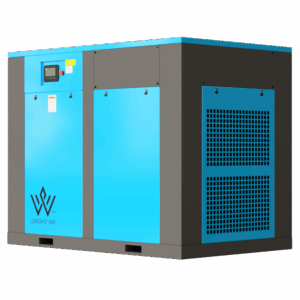
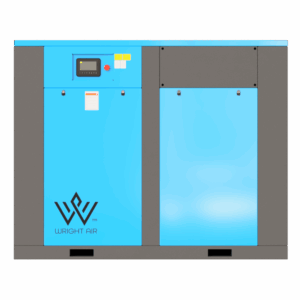
Screw Compressors
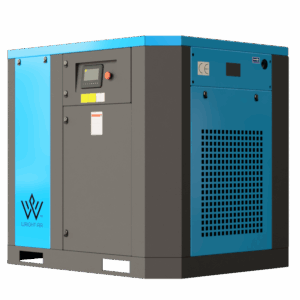

Screw Compressors
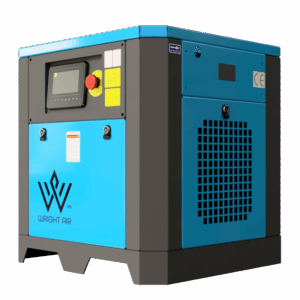

Screw Compressors

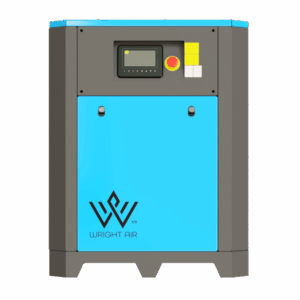
Screw Compressors