

Focusing on Condition-Based Care Over the Calendar
Compressed air is often referred to as the “fourth utility” in industry—just as essential as electricity, water, and natural gas. But unlike those utilities, compressed air is also one of the most expensive to produce. In fact, as much as 90–95% of the electrical energy used in a compressor is converted into heat. Without proper recovery, this valuable energy simply dissipates into the atmosphere, wasted.
That’s where heat recovery systems come in. By capturing and repurposing this otherwise lost energy, businesses can dramatically improve efficiency, lower energy costs, and reduce their carbon footprint.

Where Does the Heat Go?
When a compressor operates, nearly all of the input energy ends up as heat:
- Cooling air or water around the compressor absorbs the bulk of it.
- Lubricating oil carries some heat, which must be removed to maintain operating temperatures.
- Compressed air discharge contains residual heat.
Traditionally, this heat is vented away, but with recovery systems, it can be redirected and put to good use.
Practical Uses of Recovered Heat
Space Heating
The hot air from the compressor cooling system can be ducted into workshops, warehouses, or offices. During colder months, this reduces or even eliminates the need for additional heating equipment.
Water Heating
Heat exchangers can capture the heat from compressor oil or cooling water and transfer it to process or sanitary water systems. This is particularly useful for industries requiring hot water for cleaning, processing, or sterilization.
Process Heating
Many industrial processes—such as food production, chemical processing, or textile manufacturing—require large amounts of thermal energy. Heat recovery can supplement or replace traditional boilers, cutting fuel consumption.
The Benefits of Heat Recovery
- Energy Savings: Up to 80–90% of the input energy can be recovered, depending on system design.
- Cost Reduction: Lower heating and hot water costs directly improve operating margins.
- Sustainability: Reduced reliance on fossil fuels lowers greenhouse gas emissions.
- Quick ROI: Most heat recovery systems pay for themselves within one to three years.
- Compliance: Helps meet environmental regulations and supports corporate sustainability goals.
Things to Consider
Before implementing a heat recovery system, assess:
- Heat demand vs. compressor output: Is there enough year-round demand for heating?
- System design: Will you use air-to-air, air-to-water, or oil-to-water exchangers?
- Maintenance: Ensure regular cleaning and monitoring of heat exchangers for efficiency.
- Integration: Coordinate with HVAC or process systems to maximize recovery without disrupting operations.
Turning Waste Into Value
Heat recovery in compressed air systems transforms wasted energy into a valuable resource. Whether it’s warming a factory in winter, providing hot water for processes, or reducing boiler loads, the benefits are tangible and immediate.
At Wright Air, we’re committed to helping our clients maximize efficiency, save on costs, and operate more sustainably. By incorporating heat recovery solutions, industries can not only cut expenses but also make significant strides toward a greener future.
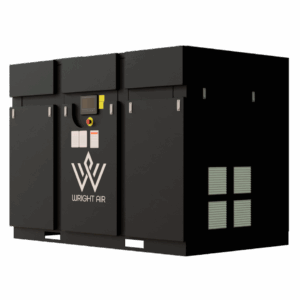
Two Stage Screw Compressors

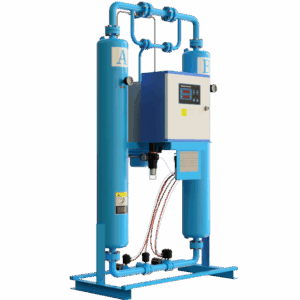

Desiccant Dryer
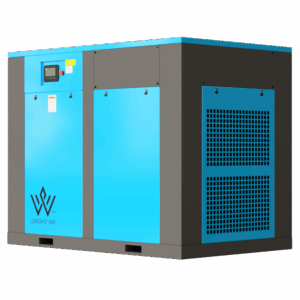
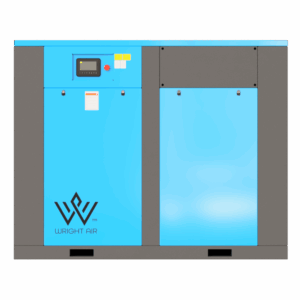
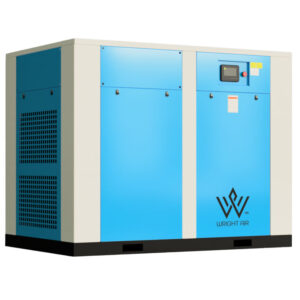
Screw Compressors
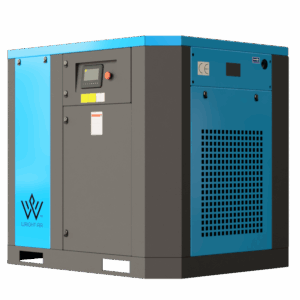

Screw Compressors
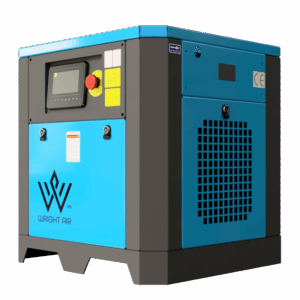

Screw Compressors

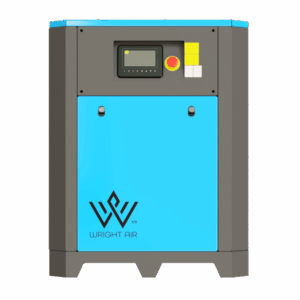
Screw Compressors