

Focusing on Condition-Based Care Over the Calendar
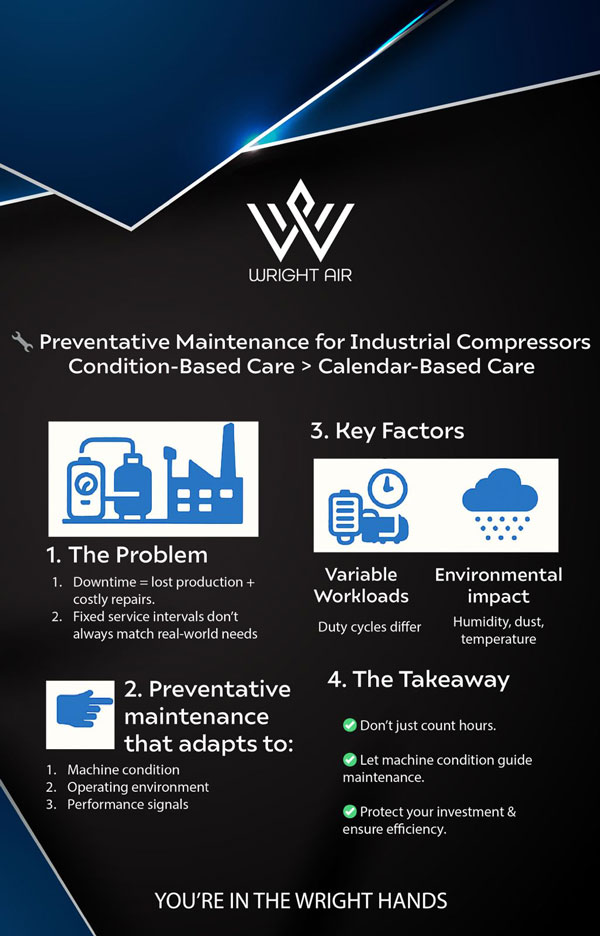
When it comes to industrial compressors—whether screw, centrifugal, or oil-free—downtime is more than an inconvenience. It costs production hours, disrupts operations, and can lead to expensive emergency repairs. That’s why preventative maintenance is not just a “nice-to-have,” but a critical part of keeping your compressed air system reliable and efficient.
At Wright Air, we believe that maintenance shouldn’t only be about following fixed service intervals or counting operating hours. Instead, it should also be about as-and-when care—responding to the actual condition and performance of the machine. This approach provides better protection for your investment and ensures your compressor is always running at its best.
Why “As-and-When” Maintenance Matters
Traditional service schedules are based on hours—every 2,000 or 4,000 hours, certain components get replaced. While these guidelines are important, they don’t always reflect the real-world conditions in which your compressor operates.
-
Variable Workloads: Not every compressor runs under the same duty cycle. A machine in a high-humidity factory may need filter replacements more often than one in a clean, dry environment.
-
Environmental Factors: Dust, temperature, and air quality can accelerate wear on components. A filter or separator that looks fine on paper at 4,000 hours may already be choking airflow in reality.
-
Performance Indicators: Pressure drops, unusual vibrations, or rising energy consumption are clear signs that maintenance is required—regardless of the hour meter.
In short: preventative maintenance should be guided not just by time, but by the condition of the machine and the environment it operates in.
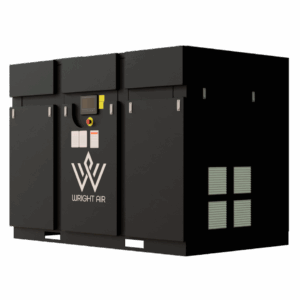
Two Stage Screw Compressors

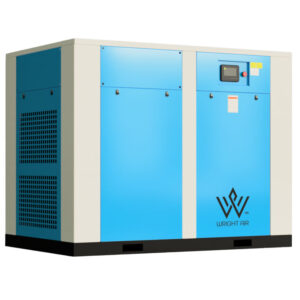
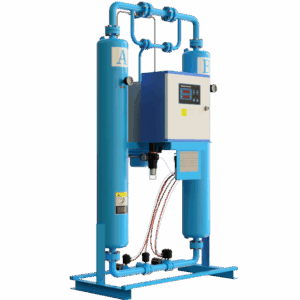

Desiccant Dryer
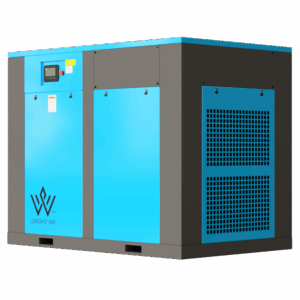
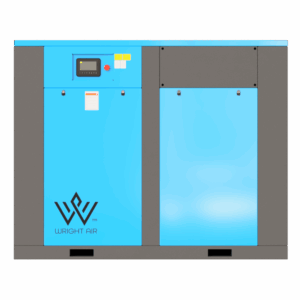
Screw Compressors
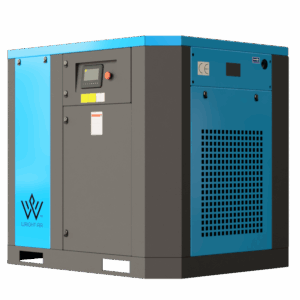

Screw Compressors
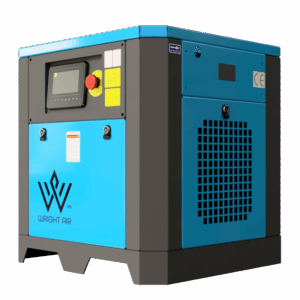

Screw Compressors

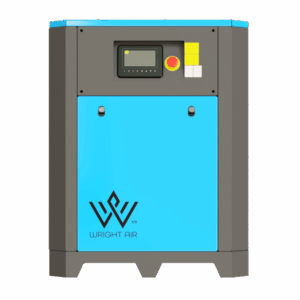
Screw Compressors