

In the world of industrial operations, compressed air is often called the fourth utility—right alongside electricity, water, and gas. From powering pneumatic tools to running automation lines, it’s an essential part of countless processes. Yet, unlike the other three utilities, compressed air is one of the most expensive to produce—and one of the easiest to waste.
Unfortunately, too many facilities treat it as “free” once the system is installed.

The reality is that inefficiency in compressed air systems can drain a company’s budget faster than almost any other utility loss.
Why Compressed Air Is So Costly
Generating compressed air is inherently energy-intensive. In fact, up to 10% of a facility’s total electricity usage can be tied to producing it. For every unit of energy that goes into a compressor, a significant portion is lost as heat, meaning only a fraction becomes usable air. That’s before factoring in leaks, poor system design, and mismanagement.
The problem?
Because compressed air systems are “out of sight, out of mind,” inefficiencies are often overlooked—sometimes for years.
The Wastage Problem
Common sources of waste include:
- Air leaks – Even a 3 mm leak can cost thousands of rands a year in wasted energy.
- Excessive pressure – Running at higher pressures than necessary increases energy use and system wear.
- Inappropriate uses – Using compressed air for applications better served by electric tools or blowers is like using a sports car to fetch groceries—it works, but it’s costly.
- Poor maintenance – Dirty filters, worn seals, and neglected dryers all reduce efficiency.
- Inefficient compressor control – Fixed-speed compressors running under light loads waste massive amounts of energy compared to variable speed drive (VSD) systems.
The Financial Impact of Inefficiency
It’s estimated that up to 30% of all compressed air generated in industry is wasted. If you’re spending R1 million a year on electricity for your plant, that’s potentially R300,000 leaking away—quite literally—through air loss and inefficiency.
And the expense isn’t just in wasted electricity. Poorly optimised systems shorten equipment life, increase maintenance costs, and create bottlenecks in production when demand exceeds available air supply.
The Case for Optimisation
Optimising a compressed air system is one of the fastest ways to improve your bottom line. Practical steps include:
- Leak Detection & Repair – Regular audits can identify and fix leaks before they drain your budget.
- Pressure Optimisation – Set pressure to the minimum required for your process.
- Invest in VSD Technology – Variable speed drives match compressor output to demand, reducing wasted energy during low-load periods.
- System Redesign – Proper piping, receiver sizing, and zoning reduce losses and improve efficiency.
- Preventive Maintenance – Keeps filters, dryers, and valves in peak condition.
A Utility Worth Respecting
Treat compressed air like you treat electricity—measure it, monitor it, and manage it. If it were billed directly like your power or water, inefficiencies would get immediate attention. By optimising your system, you’re not just cutting costs—you’re improving reliability, reducing environmental impact, and getting more from every rand you invest.
In an era where every utility is scrutinised for cost and sustainability, compressed air deserves the same respect.
It’s not just the fourth utility—it’s often the most overlooked, and the one where the savings potential is hiding in plain sight.
Don’t Let Compressed Air Waste Drain Your Profits
Every rand you save on energy goes straight back into your business. At Wright Air Compressors, we specialise in helping you detect, fix, and prevent costly inefficiencies—while boosting performance and reliability.
📞 Talk to our experts today and discover how much your facility could save with a tailored compressed air optimisation plan.
👉 Contact Us Now – Start saving before your next utility bill arrives.
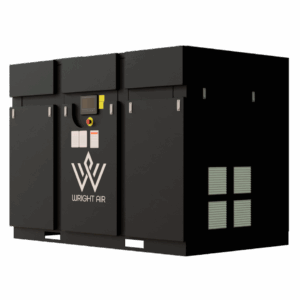
Two Stage Screw Compressors

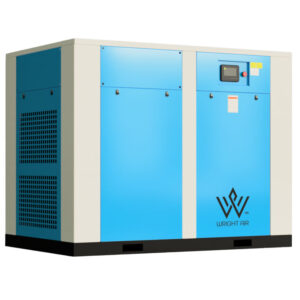
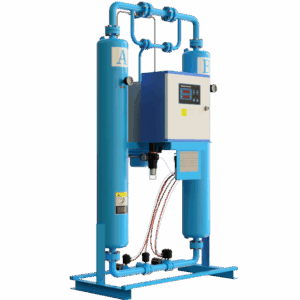

Desiccant Dryer
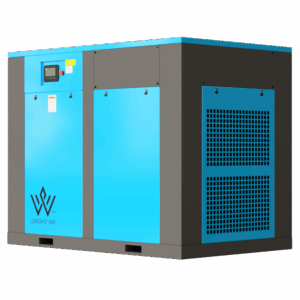
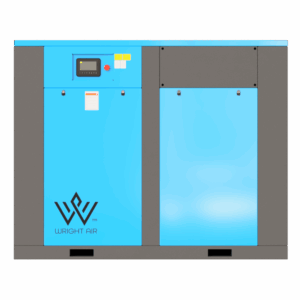
Screw Compressors
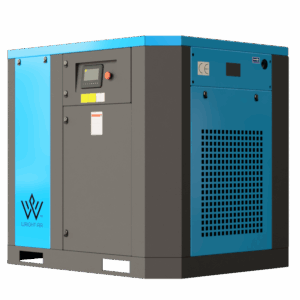

Screw Compressors
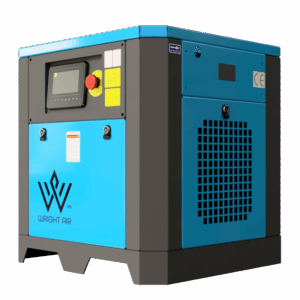

Screw Compressors

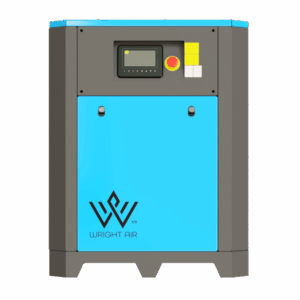
Screw Compressors