How one South African manufacturer turned wasted heat into measurable cost savings
In most industrial facilities, compressed air is treated as a necessary cost — not a source of opportunity. Yet up to 90% of the electrical energy used by an air compressor is converted into heat. In many plants, that heat is simply expelled into the atmosphere.
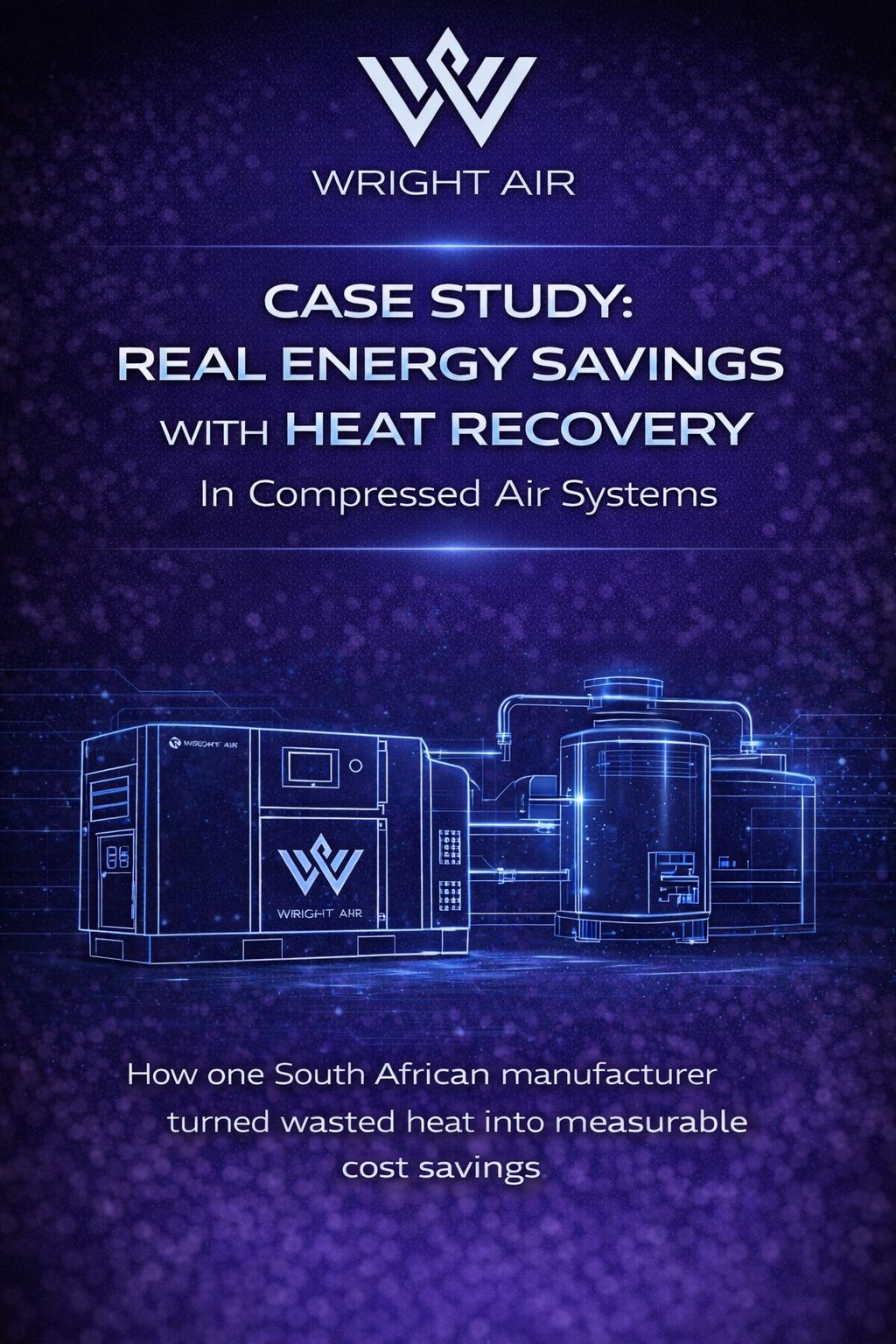
This case study shows how a South African manufacturing facility used heat recovery from its compressed air system to reduce energy costs, improve operational efficiency, and achieve a rapid return on investment.
The Challenge: Rising Energy Costs and Inefficient Utilities
The facility operates a medium-sized manufacturing plant running:
- Two rotary screw compressors (VSD-controlled)
- 16–18 hours per day
- High demand for hot water and space heating in winter
Key challenges included:
- Escalating electricity costs
- High water heating expenses
- No visibility or reuse of compressor waste heat
- Pressure to improve sustainability metrics
Like many South African operations, energy efficiency had become a financial necessity, not just a sustainability objective.
The Opportunity: Recovering Waste Heat
Compressed air systems naturally generate heat during compression. Rather than rejecting this heat through cooling systems, heat recovery units capture it and redirect it for useful purposes such as:
- Water heating
- Process heating
- Space heating
- Boiler pre-heating
In this case, a heat recovery system was integrated into the facility’s primary compressor.
The Solution: Integrated Heat Recovery System
The plant partnered with Wright Air Compressors to implement a heat recovery solution tailored to its operating profile.
System setup:
- Heat exchanger installed on the compressor cooling circuit
- Recovered heat transferred to a hot water storage tank
- Hot water used for:
- Process cleaning
- Staff facilities
- Winter space heating support
The solution required minimal modification to existing infrastructure and did not affect compressor performance or reliability.
Measured Results: Energy and Cost Savings
After six months of operation, the results were clear.
Energy savings:
- Approximately 65–70% of compressor waste heat recovered
- Significant reduction in electrical water heating load
- Reduced peak energy demand during operating hours
Cost impact:
- Water heating electricity consumption reduced by ±40%
- Annual energy cost savings estimated in the high five-figure range (ZAR)
- Payback period achieved in under 18 months
These savings were achieved without increasing compressor run hours or maintenance complexity.
Operational Benefits Beyond Cost
While energy savings justified the investment, additional benefits quickly became apparent.
Improved System Efficiency
- Lower heat rejection into the plant
- Reduced cooling load in the compressor room
- More stable operating temperatures
Sustainability and Compliance
- Lower carbon footprint
- Improved ESG reporting metrics
- Stronger alignment with energy-efficiency initiatives
Reliability
- No negative impact on compressor uptime
- Heat recovery system required minimal maintenance
- Fully integrated into existing service schedules
Why Heat Recovery Works So Well in South Africa
Local operating conditions make heat recovery particularly attractive:
- High electricity tariffs
- Long compressor operating hours
- Frequent demand for hot water or heating
- Pressure to reduce operational expenditure
In many facilities, recovered heat replaces energy that was already being paid for, making heat recovery one of the highest ROI efficiency upgrades available.
Common Misconceptions About Heat Recovery
“Heat recovery only works on large systems”
Even mid-sized compressors can deliver meaningful savings.
“It affects compressor performance”
Properly designed systems have no negative impact on reliability or output.
“The payback is too long”
In most South African applications, payback is typically 12–24 months.
Key Takeaways from the Case Study
- Compressed air heat is a valuable energy resource
- Heat recovery can capture up to 70% of waste heat
- Energy savings are immediate and measurable
- ROI is fast compared to most efficiency projects
- Operational and sustainability benefits extend beyond cost
Conclusion
This case study demonstrates that heat recovery is not theoretical — it delivers real, bankable savings. For South African manufacturers facing rising energy costs, compressed air heat recovery represents a practical, proven way to reduce operational expenses without compromising production.
When compressed air is already a necessity, recovering its wasted energy simply makes business sense.
If you are already paying for the energy, you should be using the heat.
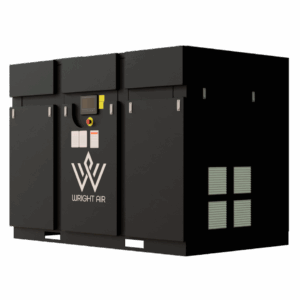
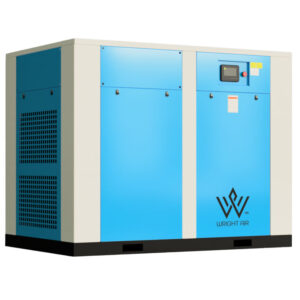
Two Stage Screw Compressors

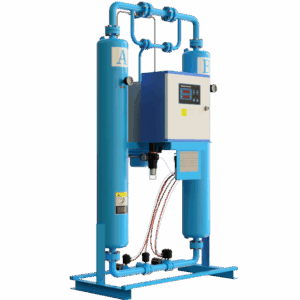

Desiccant Dryer
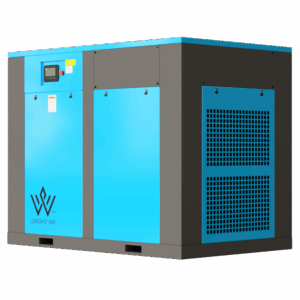
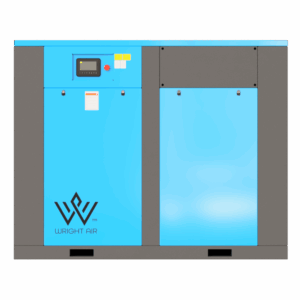
Screw Compressors
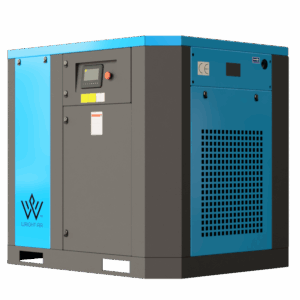

Screw Compressors
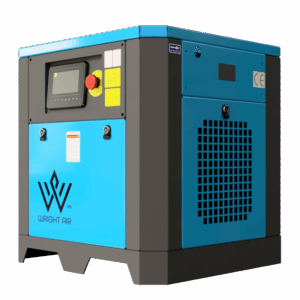

Screw Compressors

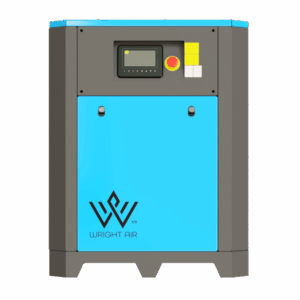
Screw Compressors