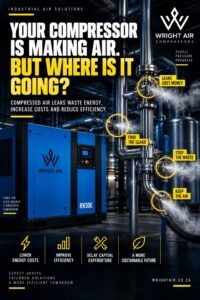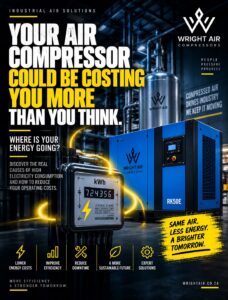
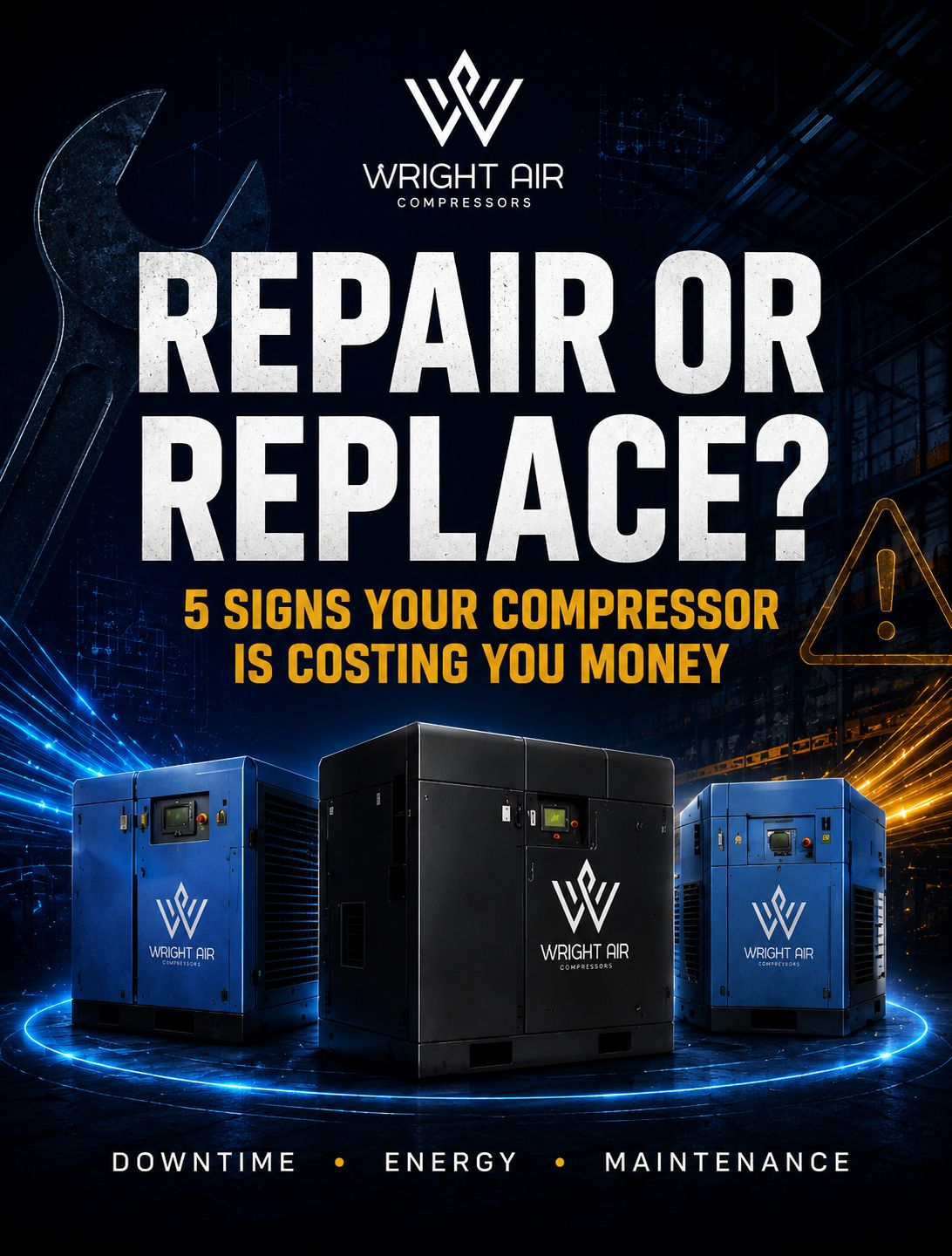
One of the most common questions faced by maintenance managers and plant operators is whether to continue repairing an ageing compressor or invest in a replacement. While repairs may appear to be the cheaper option initially, ongoing maintenance costs, energy inefficiencies and production downtime can quickly outweigh the cost of a new system. Understanding the true cost of compressor replacement vs repair is critical for making an informed business decision.
Why This Decision Matters
Compressed air is often referred to as the fourth utility. When a compressor fails, productivity, product quality and operational efficiency can suffer significantly. Businesses that delay replacement decisions often incur hidden costs through increased downtime, excessive energy consumption and emergency maintenance callouts.
Signs Your Compressor Should Be Repaired
Repairing a compressor remains a viable option when the equipment has relatively low operating hours, the fault is isolated to a specific component, spare parts remain readily available and the machine has a strong maintenance history. In these situations, repairs can extend equipment life and maximise return on investment.
Signs It Is Time for Replacement
Frequent breakdowns, escalating repair bills, obsolete parts and rising electricity costs are strong indicators that replacement should be considered. Older compressors often operate less efficiently than modern systems, increasing long-term operating costs and reducing reliability.
Understanding the 50% Rule
A commonly used industry guideline suggests that if a repair costs more than 50% of the value of a replacement unit, replacement should be seriously considered. Businesses should also evaluate how often major repairs occur and whether recurring downtime is impacting production targets.
The Total Cost of Ownership Approach
When evaluating compressor replacement vs repair, businesses should consider total cost of ownership. This includes purchase price, installation costs, maintenance expenditure, energy consumption, spare parts, labour and downtime. Energy costs alone can account for the majority of a compressor’s lifetime operating expenses.
How Modern Compressor Technology Changes the Equation
Modern compressor systems offer significant advantages over older equipment. Variable Speed Drive technology automatically adjusts output to match demand, reducing energy consumption. Advanced controllers, remote monitoring capabilities and improved air treatment solutions provide greater reliability and lower operating costs.
Questions Every Business Should Ask
How old is the compressor? What are the annual repair costs? How much does downtime cost the business? Are spare parts still available? Is energy efficiency becoming a concern?
Answering these questions provides valuable insight into whether repair or replacement offers the best long-term value.
How Wright Air Can Help
Wright Air assists businesses throughout South Africa with compressor audits, maintenance assessments, energy efficiency evaluations and complete compressed air system upgrades. By analysing your current system, Wright Air can provide practical recommendations based on operational requirements and budget considerations.
Conclusion
The decision between compressor replacement and repair should never be based solely on the repair invoice. Energy efficiency, downtime, reliability and long-term operating costs must all be considered.
A professional system assessment can reveal whether continued repairs are truly saving money or simply delaying a more cost-effective upgrade.
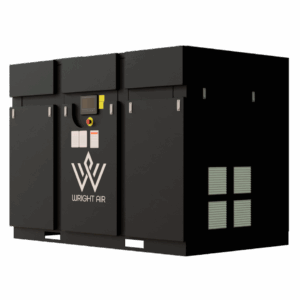
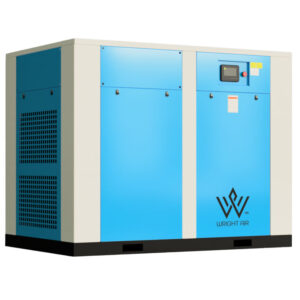
Two Stage Screw Compressors

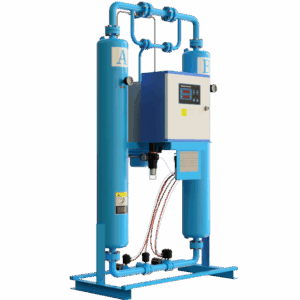

Desiccant Dryer
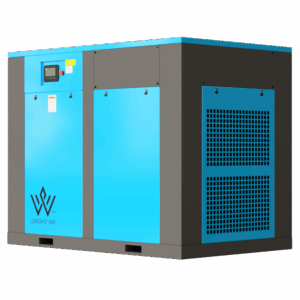
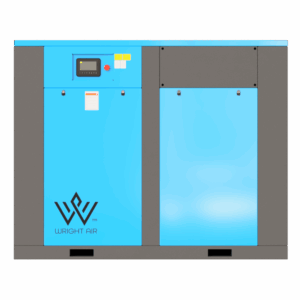
Screw Compressors
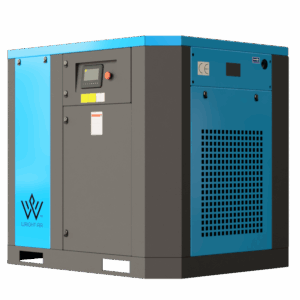

Screw Compressors
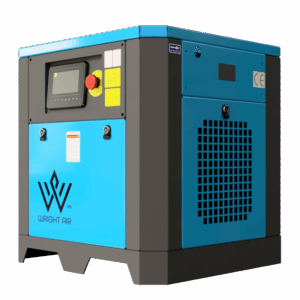

Screw Compressors

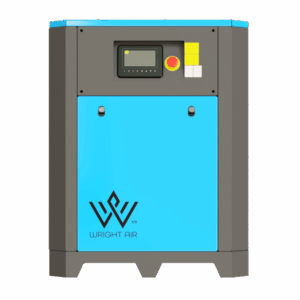
Screw Compressors