Practical advice for QA and plant managers in South Africa’s FMCG sector
In South Africa’s highly regulated FMCG environment, compressed air is treated as a direct ingredient in many food and beverage processes. Whether it is used for packaging, sorting, conveying, aeration, bottling, or cleaning, air quality directly affects product safety and regulatory compliance.
For QA teams, plant managers, and engineering leads, understanding ISO 8573 compliance, air purity levels, and contamination risks is essential. At Wright Air, we work with top FMCG manufacturers across South Africa to design, audit, and optimise food-grade compressed air systems that meet global safety standards.

Why Compressed Air Purity Matters in Food Manufacturing
Compressed air often contains:
- Water vapour & liquid water
- Oil aerosols & vapours
- Solid particles (dust, rust, microorganisms)
- Hydrocarbons and odours
These contaminants can lead to product spoilage, microbial contamination, packaging failures, safety breaches, HACCP non-compliance, and costly recalls.
ISO 8573: The Air Purity Standard
ISO 8573 defines allowable limits for Particles, Water, and Oil.
Food plants typically require:
- Class 1–2 for particles
- Class 1–2 for oil
- Class 2–3 for moisture
Direct vs Indirect Contact Air
Direct Contact examples:
• Mixing, cutting, cooling, drying, blowing off product, filling & aeration
Requires ISO 8573 Class 1.
Indirect Contact examples:
• Conveying, sorting, pneumatic control, robotics, packaging equipment
Requires moderate to high purity depending on risk.
Top Contamination Risks
1. Water contamination – microbial growth.
2. Oil contamination – product taint and residue.
3. Particulates – dust, rust, microorganisms.
4. Poor filtration maintenance.
5. Incorrect piping design.
How FMCG Facilities Can Ensure Compliance
1. Implement an ISO 8573 purity roadmap.
2. Test compressed air regularly.
3. Use correct filtration and drying.
4. Select the right compressor (oil-free ideal).
5. Maintain compliance with monitoring tools.
The Wright Air Advantage, We offer:
- ISO 8573 compliance audits
- Food-grade compressor systems
- High-purity filtration
- GMP piping solutions
- IoT monitoring
Conclusion
Compressed air purity is essential for food safety, audit compliance, shelf life, and brand protection. Wright Air supports FMCG facilities across South Africa with safe, compliant, energy-efficient compressed air systems.
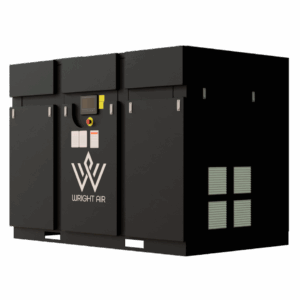
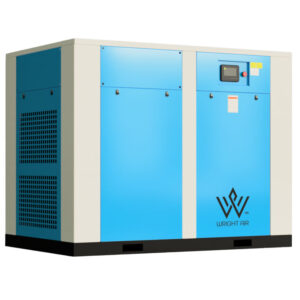
Two Stage Screw Compressors

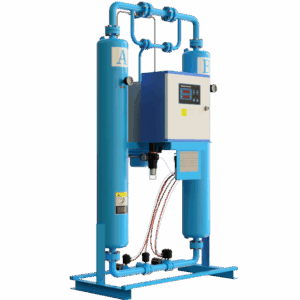

Desiccant Dryer
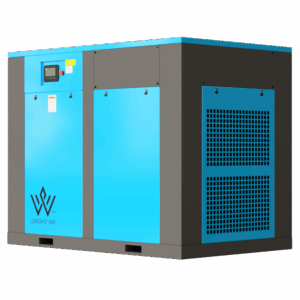
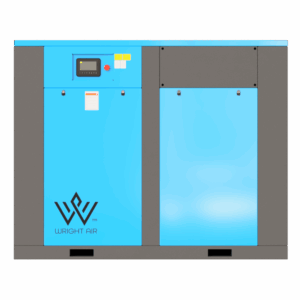
Screw Compressors
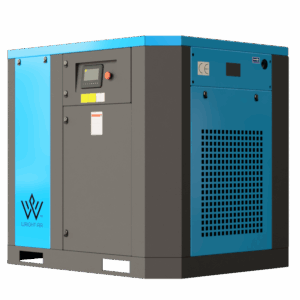

Screw Compressors
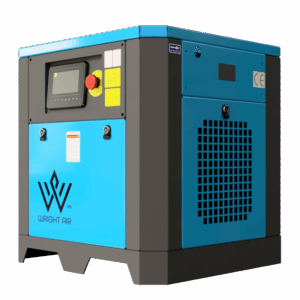

Screw Compressors

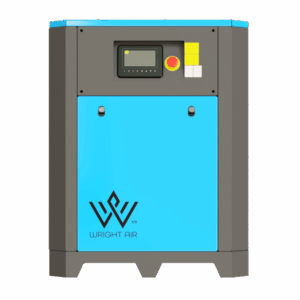
Screw Compressors