
Compressed air is a mission-critical utility in mining, cement manufacturing, and construction. It powers pneumatic tools, controls valves and actuators, supports conveying systems, and underpins automation across harsh operating environments. However, dusty conditions present unique challenges that, if not properly managed, can significantly reduce system efficiency, increase maintenance costs, and cause unplanned downtime.
This article explores proven best practices for designing, operating, and maintaining compressed air systems in dusty environments, with a focus on reliability, air quality, and long-term cost control.

The Impact of Dust on Compressed Air Systems
Dust is one of the most aggressive contaminants a compressed air system can face. Fine particulate matter enters the system through intake air, settles on cooling surfaces, clogs filters, contaminates lubricants, and accelerates component wear.
Common consequences include:
- Reduced compressor efficiency due to clogged intake filters
- Increased oil carryover and lubricant degradation
- Premature failure of airends, bearings, and seals
- Moisture retention leading to corrosion and line contamination
- Poor air quality affecting downstream equipment and tools
In mining and cement applications, where airborne particles are often abrasive and continuous, unmanaged dust exposure can dramatically shorten equipment lifespan.
Best Practice 1: Optimise Compressor Intake Air Quality
The intake air sets the baseline for the entire compressed air system. In dusty environments, poor intake management is one of the most common and costly mistakes.
Recommended practices include:
- Locating air intakes away from dust-generating processes, vehicle traffic, and material transfer points
- Using external intake ducting to draw cleaner, cooler air
- Installing heavy-duty pre-filters or cyclone separators ahead of the main intake filter
- Inspecting and replacing intake filters more frequently than standard service intervals
Cleaner intake air reduces filter loading, stabilises compressor performance, and lowers energy consumption.
Best Practice 2: Use Filtration Designed for Harsh Environments
Standard filtration is rarely sufficient in mining, cement, or construction applications. Multi-stage filtration is essential to protect both the compressor and downstream equipment.
A robust filtration strategy typically includes:
- Pre-filters to remove coarse dust and particulate matter
- High-efficiency particulate filters to capture fine particles
- Oil coalescing filters to remove aerosols and vapour
- Optional activated carbon filters for sensitive applications
Correct filter sizing is critical. Undersized filters create pressure drop, increasing energy costs and reducing effective airflow.
Best Practice 3: Control Moisture Through Effective Drying
Dust and moisture together create a highly destructive combination. Moist air promotes corrosion, causes sludge formation, and allows dust to adhere to internal surfaces.
Drying solutions should be matched to the application:
- Refrigerated air dryers for general plant air and pneumatic tools
- Desiccant dryers for instrumentation, control air, and critical processes
- Properly sized condensate drains to prevent water accumulation
In dusty environments, dryers must also be protected with upstream filtration to prevent fouling and loss of drying efficiency.
Best Practice 4: Protect Cooling Systems and Heat Exchangers
Air-cooled compressors are particularly vulnerable to dust accumulation on coolers and radiators. Blocked cooling surfaces result in elevated operating temperatures, oil breakdown, and frequent thermal shutdowns.
To mitigate this risk:
- Implement scheduled cooler cleaning (manual or chemical, depending on contamination levels)
- Install protective mesh or pre-screens on cooling air inlets
- Ensure adequate clearance and airflow around compressor installations
Regular cooler maintenance is one of the most cost-effective ways to improve compressor reliability in dusty environments.
Best Practice 5: Select the Right Compressor Technology
Not all compressors perform equally in dusty applications. Technology selection has a direct impact on maintenance frequency, energy efficiency, and system resilience.
Key considerations include:
- Enclosed rotary screw compressors with sealed airends
- Variable speed drive (VSD) compressors to handle fluctuating demand efficiently
- Integrated compressor packages with built-in dryers and filtration to reduce exposure points
- Robust control systems with alarm monitoring for filters, temperature, and pressure
Correct technology selection reduces risk and simplifies long-term system management.
Best Practice 6: Implement Proactive Maintenance and Monitoring
Reactive maintenance is costly in harsh environments. Dust-related failures often develop gradually but escalate quickly once critical thresholds are reached.
A proactive approach should include:
- Shortened service intervals for filters, separators, and coolers
- Oil analysis to detect contamination early
- Pressure drop monitoring across filters and dryers
- Remote monitoring or data logging to track performance trends
Condition-based maintenance helps prevent catastrophic failures and supports more predictable operating costs.
Best Practice 7: Design the Distribution System for Contamination Control
The distribution network plays a crucial role in maintaining air quality.
Best practices include:
- Sloped piping to allow condensate drainage
- Properly positioned drop legs and drains
- Corrosion-resistant piping materials
- Avoidance of dead-ends where dust and moisture can accumulate
A well-designed distribution system ensures that clean, dry air reaches the point of use consistently.
Reliability Starts with System Design
In mining, cement, and construction environments, dust is unavoidable—but failure is not. Clean, dry compressed air is achievable through thoughtful system design, appropriate technology selection, and disciplined maintenance practices.
By focusing on intake air quality, high-performance filtration, effective drying, cooling protection, and proactive monitoring, operators can significantly improve system reliability, reduce energy consumption, and extend the life of their compressed air assets.
Investing in best practices today prevents costly downtime tomorrow—and ensures compressed air remains a dependable backbone of industrial operations in even the dustiest conditions.
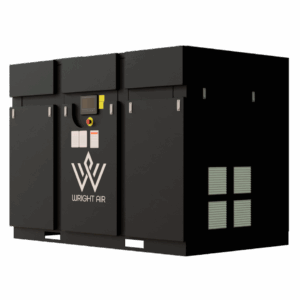
Two Stage Screw Compressors

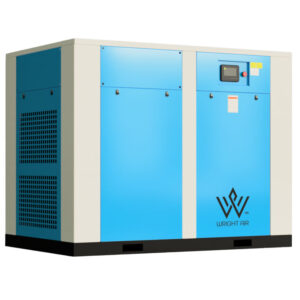
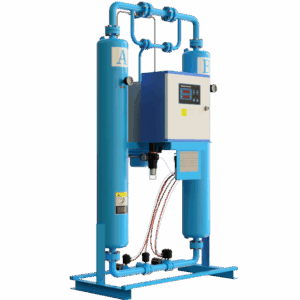

Desiccant Dryer
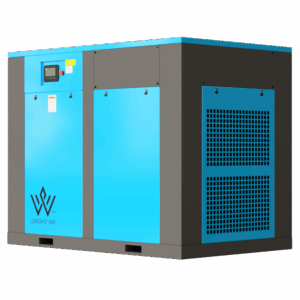
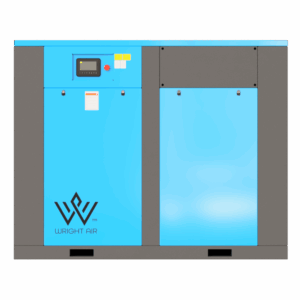
Screw Compressors
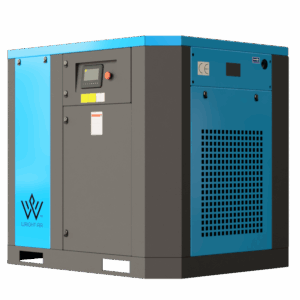

Screw Compressors
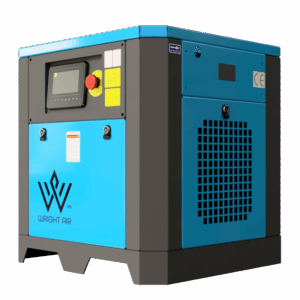

Screw Compressors

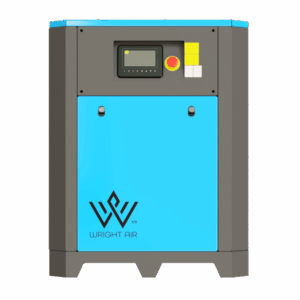
Screw Compressors