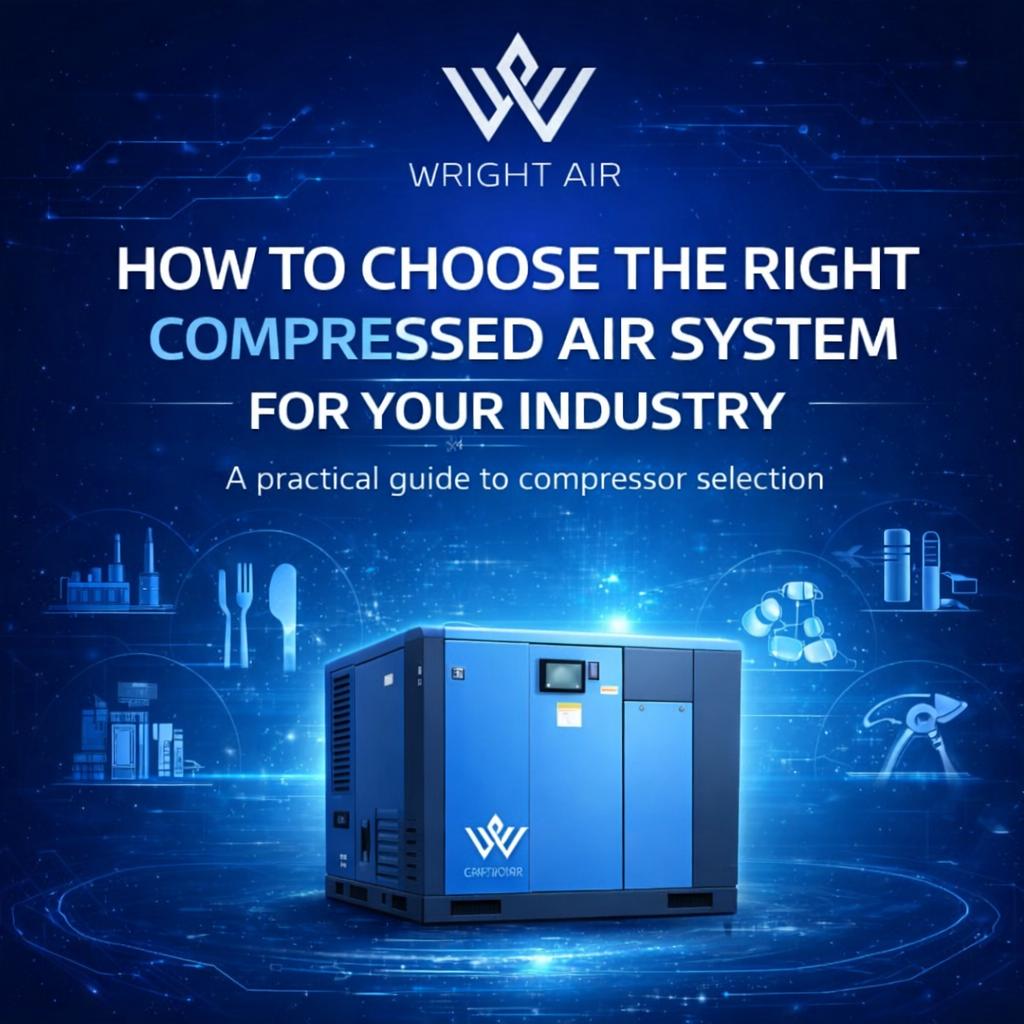
A practical guide to matching compressor technology to real-world industrial demands.
Selecting the wrong compressor type can lead to excessive energy consumption, contamination risks, unplanned downtime, and regulatory failures. This guide from Wright Air Compressors breaks down the most common compressor technologies and explains how to match them to key industries including manufacturing, food processing, pharmaceuticals, and mining.
Step 1: Understand the Main Types of Air Compressors
1. Rotary Screw Air Compressors
Best for: Continuous industrial use
Typical pressure range: 7–13 bar
Rotary screw compressors are the most widely used compressors in industrial environments. They operate using two interlocking rotors to compress air continuously, making them ideal for operations that require a constant, reliable air supply.
Key advantages
- Continuous duty operation
- High efficiency at steady loads
- Low vibration and noise
- Suitable for automation and 24/7 production
Common applications
- General manufacturing
- Automotive production
- Packaging plants
- Engineering workshops
2. Oil-Free Air Compressors
Best for: Clean, contamination-free air
Typical pressure range: 7–10 bar
Oil-free compressors are designed to eliminate the risk of oil contamination in the compressed air stream. These systems are critical where air purity is legally regulated or product quality is non-negotiable.
Key advantages
- 100% oil-free compressed air
- Compliance with ISO 8573-1 Class 0
- No risk of product contamination
Common applications
- Food and beverage processing
- Pharmaceutical manufacturing
- Medical facilities
- Electronics and semiconductor production
3. Piston (Reciprocating) Compressors
Best for: Intermittent or low-demand use
Typical pressure range: Up to 30 bar
Piston compressors use a reciprocating piston to compress air and are generally used for smaller operations or intermittent demand.
Key advantages
- Lower upfront cost
- High pressure capability
- Simple design
Limitations
- Not ideal for continuous operation
- Higher noise and maintenance
- Less energy-efficient at scale
Common applications
- Small workshops
- Maintenance bays
- Light industrial tasks
4. Variable Speed Drive (VSD) Compressors
Best for: Fluctuating air demand
Typical energy savings: 20–35%
VSD compressors automatically adjust motor speed to match air demand in real time. This makes them one of the most energy-efficient solutions available, particularly in facilities where air consumption varies throughout the day.
Key advantages
- Significant energy savings
- Stable system pressure
- Reduced wear and maintenance
- Lower operating costs
Common applications
- Manufacturing plants with variable production cycles
- Facilities operating multiple shifts
- Plants aiming to reduce energy costs and carbon footprint
Step 2: Match the Compressor to Your Industry
Manufacturing & General Industry
Recommended systems
- Rotary screw compressors
- VSD screw compressors
Manufacturing environments require consistent pressure, high reliability, and scalability. VSD systems are especially effective where multiple production lines switch on and off throughout the day.
Food & Beverage Processing
Recommended systems
- Oil-free rotary screw compressors
- Oil-free blowers (where applicable)
Air quality is critical in food processing. Compressed air may come into direct or indirect contact with products, packaging, or surfaces. Oil-free systems help ensure compliance, safety, and brand protection.
Pharmaceutical & Medical Facilities
Recommended systems
- ISO Class 0 oil-free compressors
- Redundant air systems with monitoring
Pharmaceutical production demands ultra-clean, validated air with documented compliance. System redundancy and continuous monitoring are essential to avoid costly shutdowns or batch failures.
Mining & Heavy Industry
Recommended systems
- Heavy-duty rotary screw compressors
- Two-stage screw compressors
- Robust filtration and cooling systems
Mining operations operate in harsh conditions with high dust loads, long run times, and extreme environments. Compressors must be durable, easy to maintain, and capable of continuous operation with minimal downtime.
Step 3: Consider the Full System, Not Just the Compressor
Choosing the right compressed air system goes beyond the compressor itself. A complete solution should include:
- Air treatment (dryers and filters)
- Correct pipe sizing and layout
- Pressure regulation and storage
- Energy monitoring and control systems
- Preventative maintenance planning
Poor system design can waste up to 30% of generated compressed air through leaks, pressure drops, and inefficiencies.
Why Industry Chooses Wright Air Compressors
At Wright Air, systems are engineered for precision, efficiency, and long-term reliability. Each solution is designed around:
- Industry-specific compliance requirements
- Energy optimisation
- Robust component selection
- Scalable, future-ready design
Whether you operate a manufacturing plant, food facility, pharmaceutical cleanroom, or mining operation, choosing the right compressed air system protects your productivity, product quality, and bottom line.
Need help selecting the right system?
A professional compressed air audit can identify the ideal technology, capacity, and configuration for your operation.
Contact Wright Air Compressors to design a system built specifically for your industry.
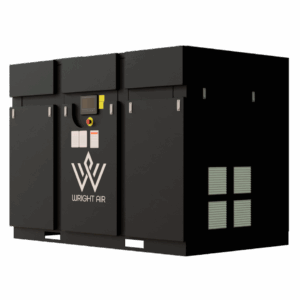
Two Stage Screw Compressors

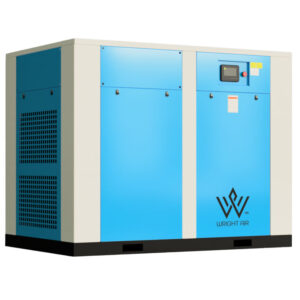
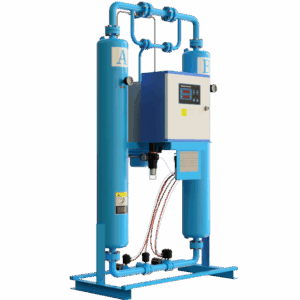

Desiccant Dryer
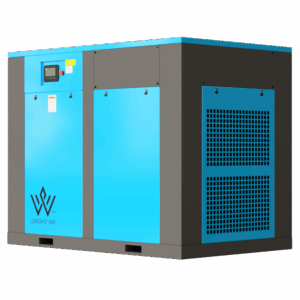
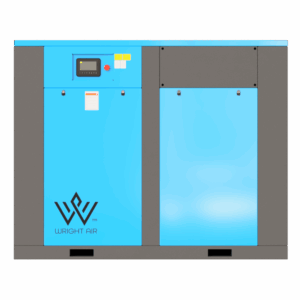
Screw Compressors
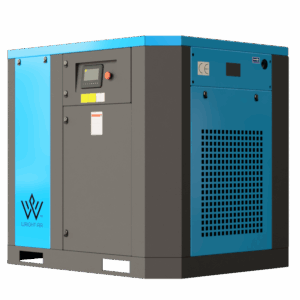

Screw Compressors
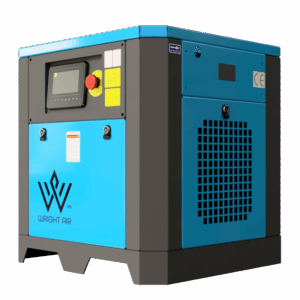

Screw Compressors

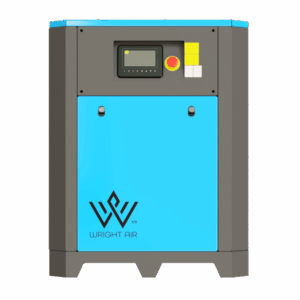
Screw Compressors