Industry 4.0 is transforming manufacturing and industrial operations through digitalisation, connectivity, and data-driven decision-making. While automation, robotics, and AI often dominate the conversation, one critical utility is frequently overlooked: compressed air.
As one of the most widely used—and energy-intensive—industrial utilities, compressed air is now evolving from a basic power source into a smart, connected system that plays a vital role in modern smart factories.
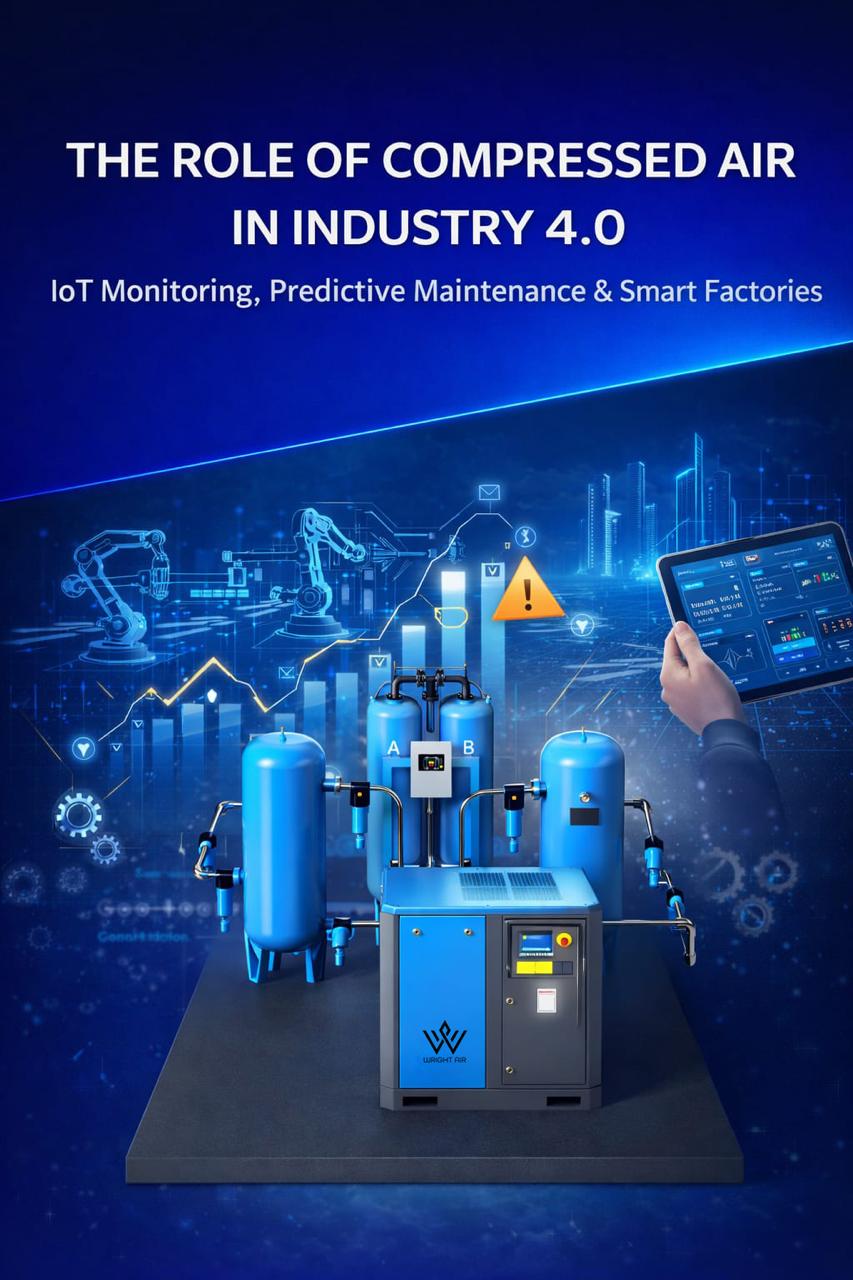
Compressed Air in the Industry 4.0 Ecosystem
In traditional plants, compressed air systems operated largely in isolation, monitored manually and maintained reactively. Industry 4.0 changes this model entirely.
Modern compressed air systems are now:
- Digitally connected
- Continuously monitored
- Integrated into plant-wide control systems
- Optimised using real-time data
This shift enables compressed air to actively support operational efficiency, reliability, and sustainability goals.
IoT Monitoring: Turning Data into Visibility
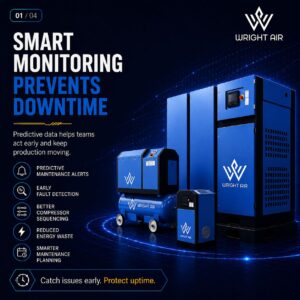
IoT-enabled compressors and air systems use sensors and smart controllers to collect real-time operational data, including:
- Pressure and flow rates
- Energy consumption
- Temperature and load profiles
- Running hours and duty cycles
- Alarm and fault conditions
This data is transmitted to local dashboards, cloud platforms, or plant SCADA systems, providing complete visibility over compressed air performance.
For plant managers and engineers, this means:
- Immediate insight into system health
- Faster fault detection
- Improved operational control
- Reduced reliance on manual inspections
Predictive Maintenance: Moving Beyond Reactive Service
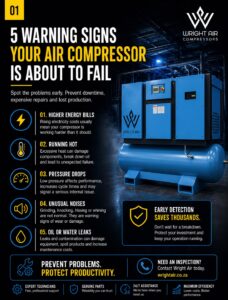
One of the most powerful Industry 4.0 benefits is predictive maintenance.
Instead of servicing compressors based solely on fixed intervals or reacting to failures, predictive maintenance uses real operating data to anticipate issues before they cause downtime.
Examples include:
- Detecting rising discharge temperatures that indicate cooling problems
- Identifying abnormal pressure drops caused by filter blockage
- Monitoring motor load patterns to predict mechanical wear
- Flagging air leaks through flow and demand analysis
By addressing problems early, predictive maintenance:
- Reduces unplanned shutdowns
- Extends equipment life
- Lowers maintenance costs
- Improves production continuity
Smart Factories Require Stable, Efficient Air Supply
Automation, robotics, and pneumatic systems rely on stable air pressure and consistent air quality. Fluctuations can directly affect product quality, cycle times, and equipment reliability.
Industry 4.0-ready compressed air systems help smart factories by:
- Maintaining constant pressure through intelligent control
- Matching air supply precisely to demand
- Eliminating energy waste during low-load periods
- Ensuring clean, dry air for sensitive processes
This reliability is essential in high-speed, automated environments.
Energy Optimisation and Sustainability
Compressed air can account for up to 30% of a facility’s electricity consumption. In Industry 4.0 environments, energy efficiency is no longer optional—it is measurable, reportable, and optimisable.
Smart compressed air systems enable:
- Real-time energy tracking
- Load optimisation using variable speed drive (VSD) technology
- Leak detection and elimination
- Performance benchmarking across multiple sites
These capabilities support sustainability initiatives, carbon reduction targets, and ISO 50001 energy management systems.
Integration with Plant-Wide Systems
Industry 4.0 is about connectivity across the entire operation. Modern compressed air systems can integrate with:
- Manufacturing Execution Systems (MES)
- Building Management Systems (BMS)
- Energy Management Platforms
- ERP and maintenance software
This integration allows compressed air data to inform broader operational decisions, aligning utilities with production schedules and business objectives.
The Strategic Value of Smart Compressed Air
Compressed air is no longer just a support utility—it is a strategic asset in Industry 4.0 environments.
When digitally enabled, it contributes to:
- Higher equipment availability
- Lower operating costs
- Improved production quality
- Enhanced energy efficiency
- Smarter, data-driven decision-making
Conclusion: From Utility to Intelligence
As Industry 4.0 reshapes industrial operations, compressed air systems must evolve alongside production technology. IoT monitoring, predictive maintenance, and smart controls transform compressed air from a reactive cost centre into a proactive performance driver.
For modern factories, investing in intelligent compressed air solutions is not just about keeping machines running—it is about building resilient, efficient, and future-ready operations.
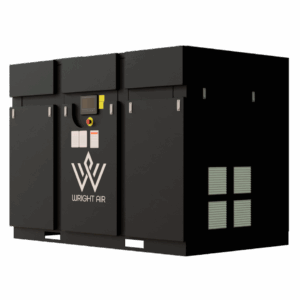
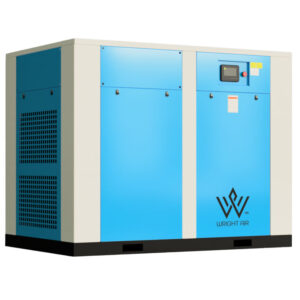
Two Stage Screw Compressors

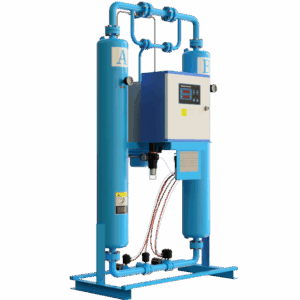

Desiccant Dryer
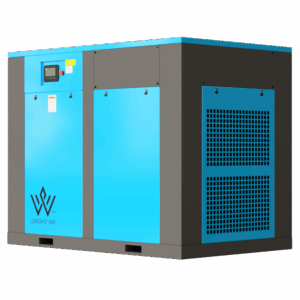
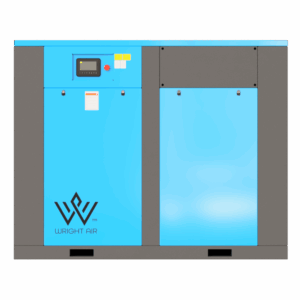
Screw Compressors

Screw Compressors

Screw Compressors

Screw Compressors