
A practical guide to compressed air quality, compliance, and risk management
In modern manufacturing, compressed air is no longer viewed as a simple utility. In many industries, it is a critical production input that can directly affect product quality, safety, regulatory compliance, and brand reputation. In South Africa, manufacturers are increasingly required to align with both local legislation and international compressed air quality standards.
Understanding these standards — and how they apply to your operation — is essential.

Why Compressed Air Quality Matters
Compressed air often comes into direct or indirect contact with:
- Finished products
- Food and beverages
- Pharmaceutical processes
- Packaging materials
- Sensitive machinery and instrumentation
Poor air quality can introduce:
- Moisture
- Oil aerosols
- Solid particulates
- Microbial contamination
These contaminants can cause:
- Product spoilage or recalls
- Equipment damage
- Non-compliance penalties
- Production downtime
The Global Benchmark: ISO 8573
The most widely recognised compressed air quality standard worldwide is ISO 8573. While it is an international standard, it is also the primary reference point used in South African manufacturing audits and quality systems.
ISO 8573-1: Air Quality Classes
ISO 8573-1 defines compressed air quality based on three key contaminants:
- Solid particles
- Water (liquid, vapour, or dew point)
- Oil (aerosol, liquid, and vapour)
Each parameter is assigned a class rating, with Class 0 being the most stringent.
Typical industry requirements:
- General manufacturing: Class 3–4
- Automotive & CNC: Class 2–3
- Food & beverage: Class 1–2
- Pharmaceuticals: Class 0–1
Importantly, ISO 8573 compliance is application-specific — there is no one-size-fits-all rating.
South African Regulatory Context
South Africa does not have a single compressed air law, but compliance is driven through a combination of legislation and standards.
Occupational Health and Safety Act (OHSA)
The Occupational Health and Safety Act requires employers to:
- Provide safe working environments
- Prevent exposure to hazardous substances
- Maintain plant and machinery in safe operating condition
Contaminated compressed air systems can fall under OHSA non-compliance if they:
- Release oil mist or particulates into workspaces
- Cause equipment failure leading to injury
- Contaminate products handled by employees
Food, Beverage & FMCG: SANS & HACCP Alignment
For food and beverage manufacturers, compressed air is considered a critical control point.
Compliance typically aligns with:
- ISO 8573
- HACCP principles
- FSSC 22000
- SANS food safety requirements
In these environments:
- Moisture must be controlled to prevent microbial growth
- Oil carryover must be eliminated
- Filtration and drying systems must be validated and documented
Moisture Control: A Key Compliance Risk
One of the most common compliance failures in South African plants is inadequate moisture removal.
High humidity, coastal conditions, and temperature swings increase the risk of:
- Condensation in air lines
- Corrosion
- Bacterial growth
Refrigerated or desiccant dryers are not optional in regulated environments — they are a compliance requirement.
Filtration, Drying, and System Design
Meeting air quality standards requires more than just installing a filter.
A compliant system typically includes:
- Correctly sized air dryers
- Multi-stage filtration
- Proper drainage and condensate management
- Correct pressure and temperature control
Equally important is system integration. Poorly designed pipework, pressure drops, or mismatched components can compromise air quality even if individual components are compliant.
Documentation, Audits, and Traceability
Compliance is not only about air quality — it is about proof.
Auditors and inspectors often require:
- Air quality test reports
- Maintenance records
- Filter change schedules
- Dryer performance data
Modern systems with intelligent controllers and monitoring make compliance significantly easier by providing:
- Logged operating data
- Alarm history
- Maintenance alerts
The Role of Equipment Selection
Choosing the right compressor system is a compliance decision, not just a purchasing one.
Manufacturers increasingly favour integrated systems that combine:
- Reliable compression
- Built-in moisture control
- Stable pressure delivery
- Monitoring and data visibility
Solutions from Wright Air Compressors are designed with these compliance realities in mind, supporting manufacturers across automotive, food processing, mining, and general industry.
Key Takeaways for South African Manufacturers
- ISO 8573 is the primary compressed air quality reference standard
- Compliance is driven by application, not compressor size
- Moisture and oil contamination are common failure points
- Proper drying and filtration are essential in regulated industries
- Documentation and monitoring are as important as hardware
Conclusion
Compressed air quality is no longer a technical detail left to maintenance teams — it is a strategic compliance issue that affects safety, production, and profitability.
By understanding the applicable standards and designing systems that meet them from the start, South African manufacturers can reduce risk, improve quality, and operate with confidence in an increasingly regulated environment.
Clean air is compliant air — and compliant air protects your business.
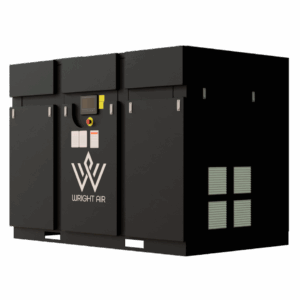
Two Stage Screw Compressors

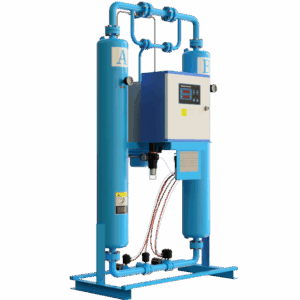

Desiccant Dryer
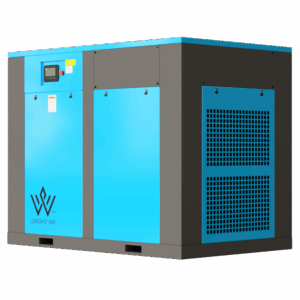
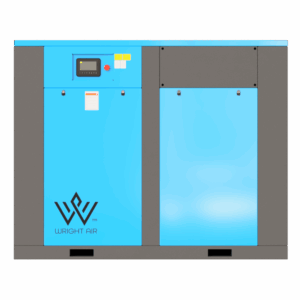
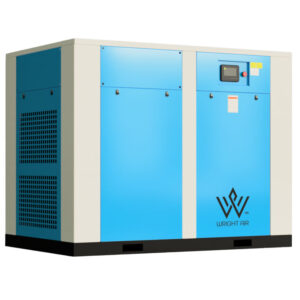
Screw Compressors
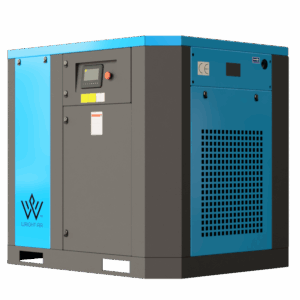

Screw Compressors
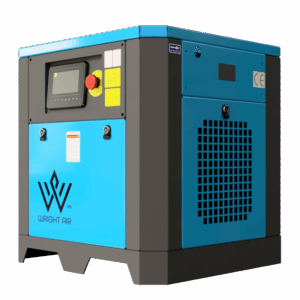

Screw Compressors

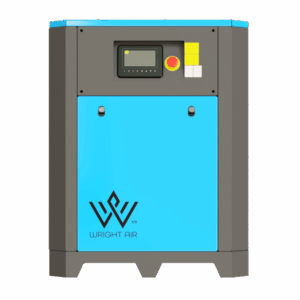
Screw Compressors