
How real-time data, remote visibility, and intelligent alerts are reshaping compressed air management in South Africa.
For many South African operations, compressed air is one of the largest hidden operating costs. Energy inefficiencies, undetected leaks, reactive maintenance, and unplanned downtime quietly erode margins every month. As electricity tariffs rise and production pressure increases, the question is no longer whether to monitor compressed air systems — but how intelligently it is done.
Smart monitoring and IoT analytics are changing this equation by turning compressed air from a passive utility into a measurable, optimisable asset.
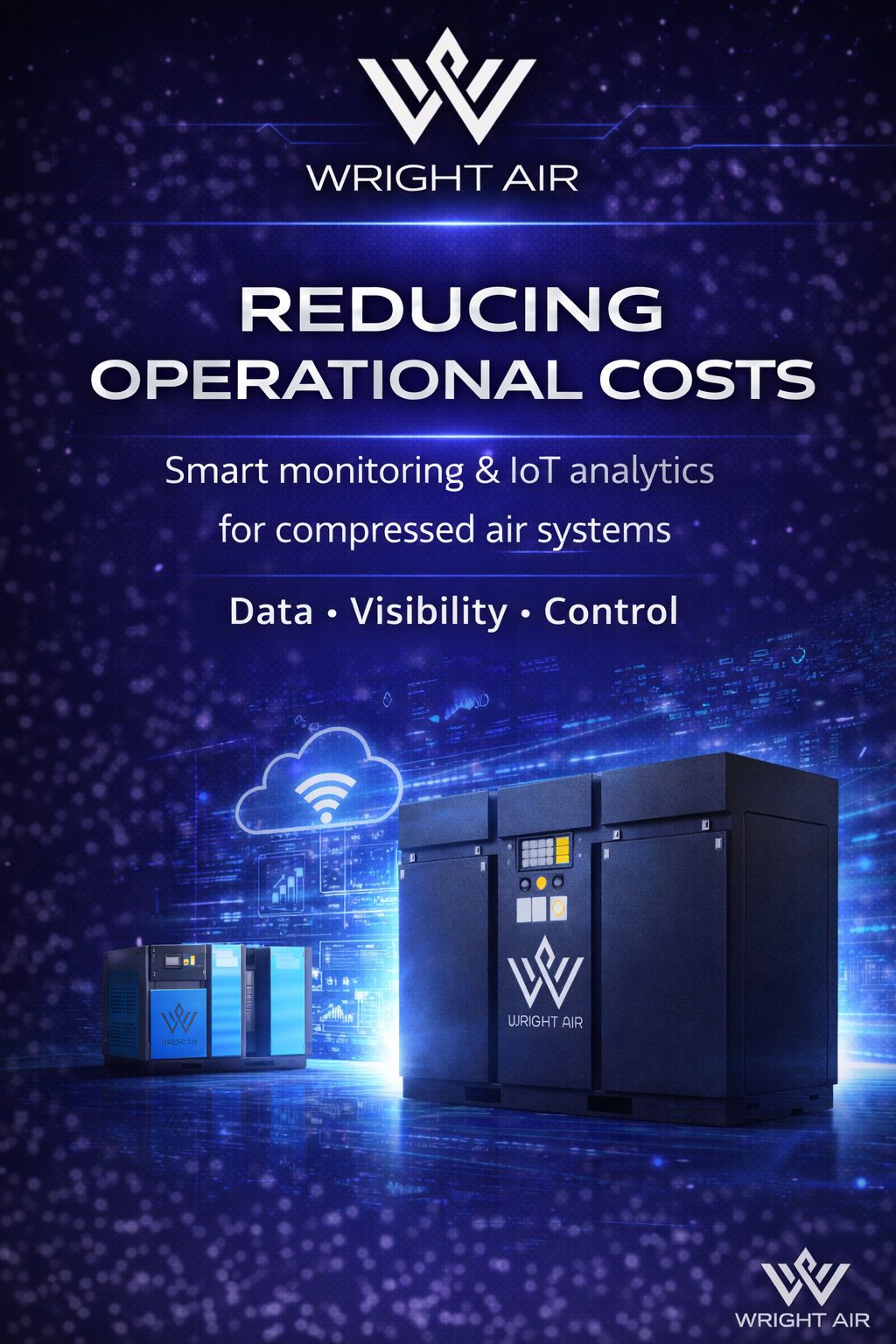
From Reactive to Data-Driven Operations
Traditionally, compressed air systems were maintained reactively:
- A failure occurs
- Production is interrupted
- Maintenance responds under pressure
- Costs escalate
Smart monitoring flips this model.
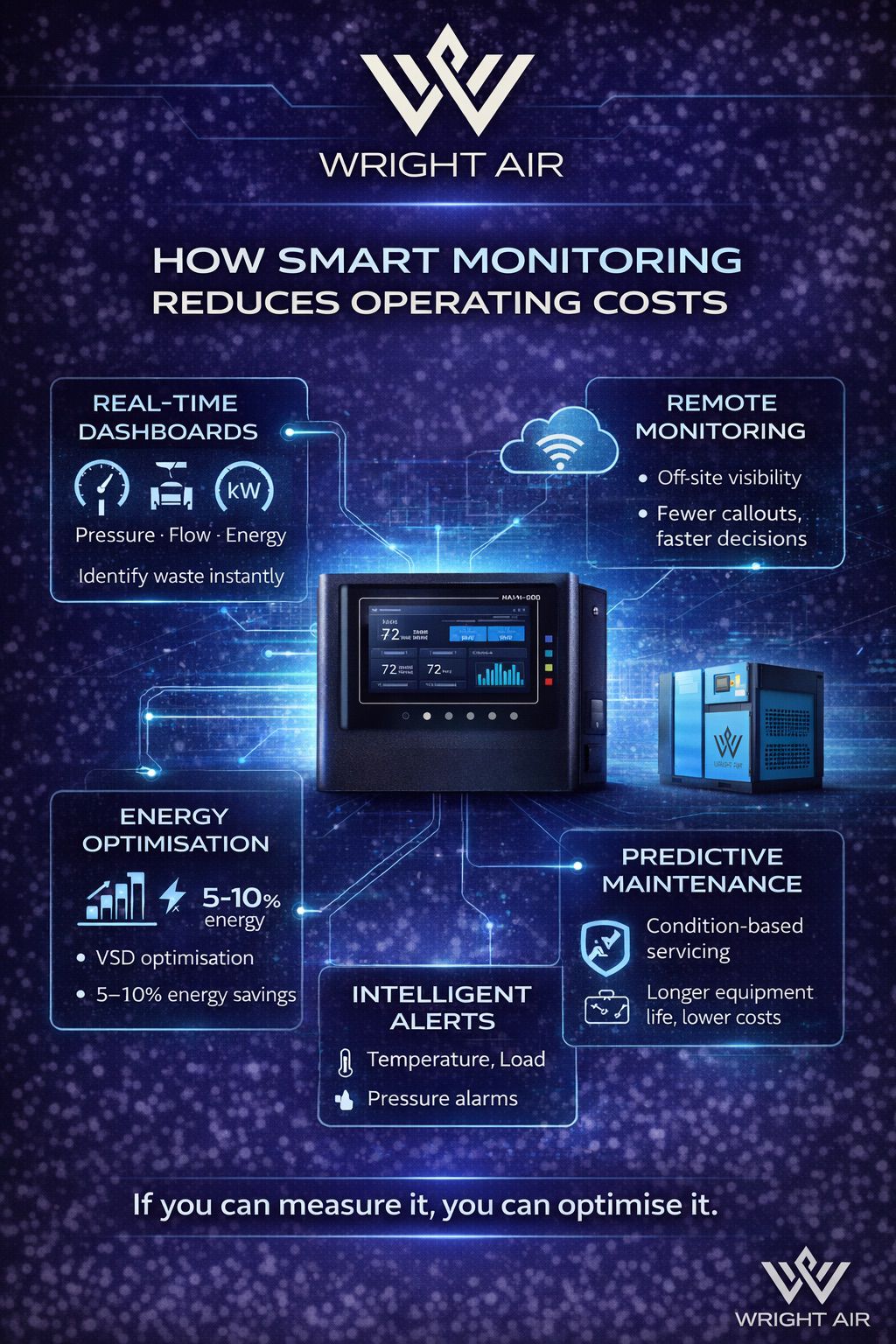
By using real-time data dashboards, remote monitoring, and automated alerts, operators gain continuous insight into how their compressed air systems are performing — before problems become failures.
This shift is particularly relevant in South Africa, where:
- Downtime is expensive and often compounded by power instability
- Skilled maintenance resources may be limited on-site
- Operations often run extended or irregular hours
Real-Time Dashboards: Visibility That Drives Savings
Modern IoT-enabled compressor controllers provide live operational data such as:
- System pressure and flow
- Motor load and energy consumption
- Operating hours and load profiles
- Temperature and alarm status
This data is presented through clear dashboards, allowing plant managers and maintenance teams to see inefficiencies immediately.
Cost impact:
- Identifies over-pressurisation (a common energy waster)
- Highlights low-load or idle running conditions
- Enables pressure optimisation without risking production
- Supports energy audits and cost justification
In many cases, simply adjusting pressure setpoints based on data can reduce energy consumption by 5–10%, with no capital investment.
Remote Monitoring: Fewer Callouts, Faster Decisions
Remote monitoring allows compressors to be supervised off-site using secure cloud or network-based access.
For South African operations with multiple sites or limited technical staff, this is a major advantage.
Practical benefits:
- Reduced emergency callouts
- Faster fault diagnosis
- Support teams can assess issues before arriving on-site
- Less dependence on constant physical inspections
In remote or industrial zones, this translates directly into lower maintenance costs and reduced downtime.
Intelligent Alerts: Preventing Downtime Before It Happens
Instead of waiting for failures, IoT-enabled systems generate automatic alerts when operating conditions fall outside predefined limits.
Examples include:
- Rising discharge temperatures
- Abnormal current draw
- Pressure instability
- Excessive running hours without load
These alerts allow maintenance to be scheduled before a breakdown occurs, protecting both production output and equipment lifespan.
Why this matters locally:
- Prevents failures during peak production or load shedding recovery
- Reduces secondary damage caused by catastrophic faults
- Extends service intervals and component life
Energy Optimisation Through Analytics
Compressed air can account for up to 30% of a facility’s electricity consumption. Without data, this cost is largely invisible.
IoT analytics provide:
- Load trend analysis over time
- Identification of air demand patterns
- Correlation between production cycles and energy usage
This enables:
- Better VSD optimisation
- Smarter compressor sequencing
- Justification for system upgrades or right-sizing
In an energy-constrained economy, this level of insight is no longer optional — it is a competitive advantage.
Maintenance Cost Reduction Through Predictive Insight
Smart monitoring supports a predictive maintenance strategy, moving away from fixed service intervals toward condition-based servicing.
This results in:
- Fewer unnecessary service interventions
- Reduced spare parts consumption
- Improved reliability planning
- Longer equipment life
For South African businesses balancing cost control with uptime demands, predictive maintenance offers a measurable return on investment.
Built for Industry 4.0 Readiness
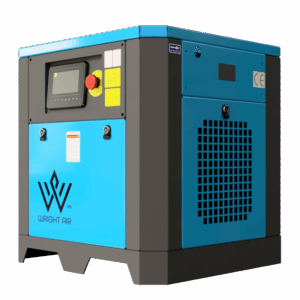
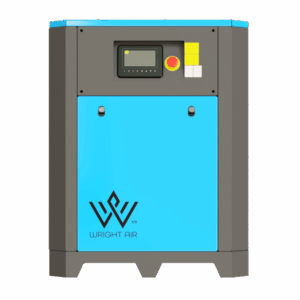
Modern systems from Wright Air Compressors are designed with IoT-ready controllers that support:
- Data logging
- Remote access
- Integration with plant management systems
- Scalability as digital maturity grows
This ensures that today’s investment remains relevant as Industry 4.0 adoption accelerates across manufacturing, mining, food processing, and logistics sectors.
Conclusion: Data Is the New Efficiency Tool
Reducing operational costs is no longer about cutting corners — it is about making smarter decisions with better information.
Smart monitoring and IoT analytics:
- Reduce downtime
- Lower energy consumption
- Cut maintenance costs
- Improve operational confidence
In the South African industrial context, where reliability, efficiency, and resilience are critical, data-driven compressed air management is no longer a future concept — it is a present-day necessity.
If you can measure it, you can optimise it.
Two Stage Screw Compressors

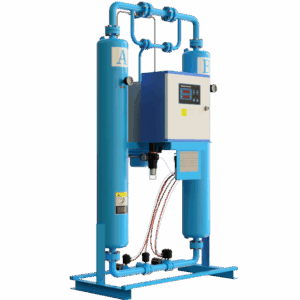

Desiccant Dryer
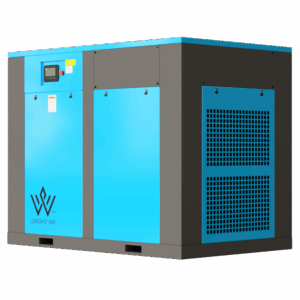
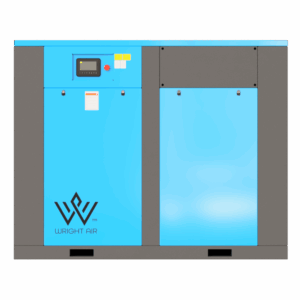
Screw Compressors
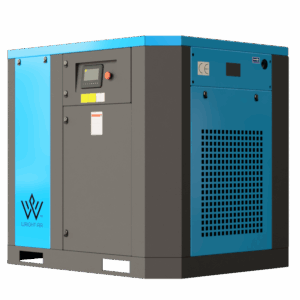

Screw Compressors

Screw Compressors

Screw Compressors