How smart technology, efficiency-driven design, and data intelligence are redefining compressed air
Compressed air systems are undergoing a major transformation. What was once a purely mechanical utility is now becoming a digitally connected, intelligent, and energy-optimised system. As industries face rising energy costs, stricter environmental regulations, and increased pressure to maximise uptime, compressed air technology is evolving rapidly.
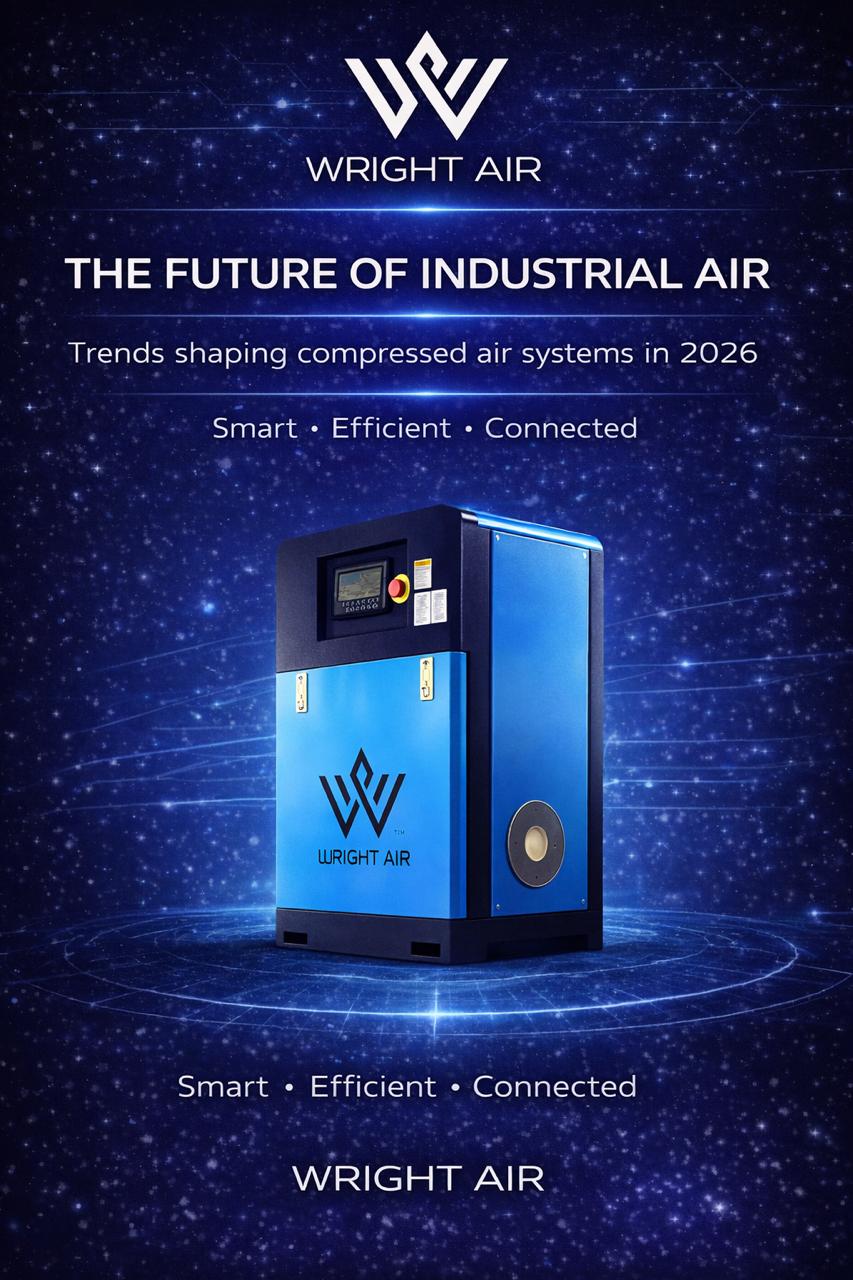
This article explores the key trends shaping industrial compressed air systems in 2026 and how forward-looking businesses can prepare for what’s next, with insights from Wright Air Compressors.
1. Smart Sensors and Real-Time Monitoring
Smart sensors are now standard in modern compressed air systems, providing continuous insight into system performance.
What’s changing
- Real-time measurement of pressure, flow, temperature, and energy use
- Continuous monitoring of filters, dryers, and critical components
- Early detection of inefficiencies and faults
Why it matters
Instead of relying on scheduled inspections or reactive repairs, operators can now see problems developing in real time, reducing downtime and maintenance costs.
Impact in 2026
Smart monitoring is no longer optional. Facilities without real-time visibility risk higher energy costs, unexpected failures, and reduced competitiveness.
2. Predictive Analytics and Condition-Based Maintenance
Predictive analytics uses historical and real-time data to forecast failures before they occur.
What’s changing
- Algorithms analysing vibration, temperature, load patterns, and run hours
- Maintenance triggered by actual equipment condition rather than fixed intervals
- Advanced planning of spare parts and service requirements
Why it matters
Traditional preventative maintenance often replaces components too early or too late. Predictive maintenance ensures maximum component life with minimal risk.
Impact in 2026
Plants are shifting from reactive and preventative strategies to fully condition-based maintenance, improving reliability and reducing lifecycle costs.
3. Modular Compressor Systems
Modular compressor design is becoming increasingly popular, particularly in facilities with growing or variable air demand.
What’s changing
- Multiple smaller compressors operating in parallel
- Intelligent control systems balancing load automatically
- Easy scalability without full system replacement
Why it matters
Modular systems provide redundancy for critical operations, improved efficiency at partial loads, and flexibility as production requirements change.
Impact in 2026
Rather than installing oversized single units, industries are adopting scalable, modular air systems that grow with the business.
4. Advanced Energy-Efficient Designs
Energy efficiency remains the single most important driver of compressed air innovation.
What’s changing
- High-efficiency permanent magnet motors
- Optimised airend designs with reduced internal losses
- Wider adoption of Variable Speed Drive (VSD) technology
- Improved heat recovery systems
Why it matters
With electricity accounting for up to 80% of a compressor’s lifetime cost, efficiency improvements deliver immediate and long-term savings.
Impact in 2026
Energy-efficient compressors are no longer a premium option; they are becoming the baseline standard for industrial installations.
5. Integrated System Control and Automation
Modern compressed air systems are increasingly managed as complete, intelligent networks rather than individual machines.
What’s changing
- Centralised controllers managing multiple compressors
- Automatic sequencing based on demand and efficiency
- Integration with plant-wide energy management systems
Why it matters
Integrated control ensures stable pressure across the plant, reduced unloaded running, and optimal efficiency across multiple machines.
Impact in 2026
Compressed air is becoming a fully integrated part of smart factories, supporting automation, production optimisation, and energy management strategies.
6. Sustainability and Emissions Reduction
Environmental responsibility is now a core design requirement for compressed air systems.
What’s changing
- Lower specific power requirements
- Reduced carbon footprint per unit of air produced
- Heat recovery systems for water or space heating
- Compliance with stricter environmental and reporting standards
Why it matters
Sustainability is no longer driven only by regulation; it is increasingly tied to corporate responsibility, cost control, and brand reputation.
Impact in 2026
Compressed air systems are being evaluated not only on performance, but on environmental impact and long-term sustainability.
Preparing for the Future of Industrial Air
To stay competitive in 2026 and beyond, businesses should:
- Invest in systems with built-in monitoring and data capability
- Prioritise energy efficiency and intelligent control
- Design for scalability and flexibility
- View compressed air as a strategic asset, not a fixed utility
Wright Air and the Next Generation of Compressed Air
Wright Air delivers compressed air systems designed for the future by combining:
- Smart monitoring and intelligent control
- Energy-efficient technologies
- Scalable, modular system design
- Long-term performance and reliability
By aligning system design with emerging technologies, Wright Air helps clients reduce operating costs, improve uptime, and prepare for the evolving demands of modern industry.
Looking ahead?
A future-ready compressed air system starts with informed design decisions today.
Speak to Wright Air Compressors about upgrading, optimising, or future-proofing your compressed air infrastructure.
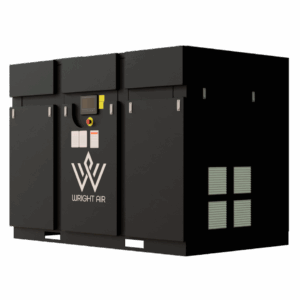
Two Stage Screw Compressors

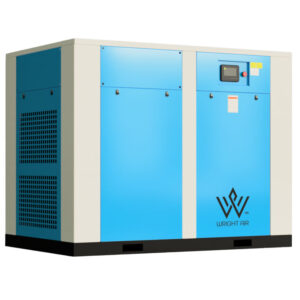
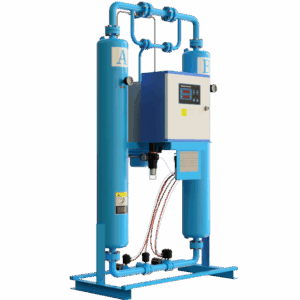

Desiccant Dryer
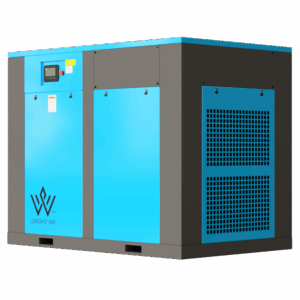
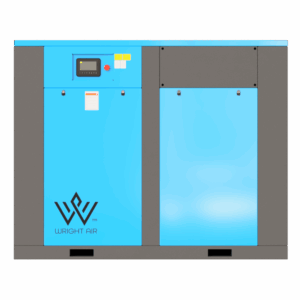
Screw Compressors
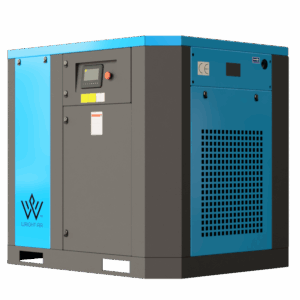

Screw Compressors
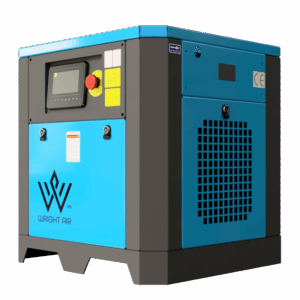

Screw Compressors

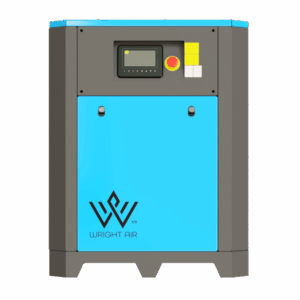
Screw Compressors