
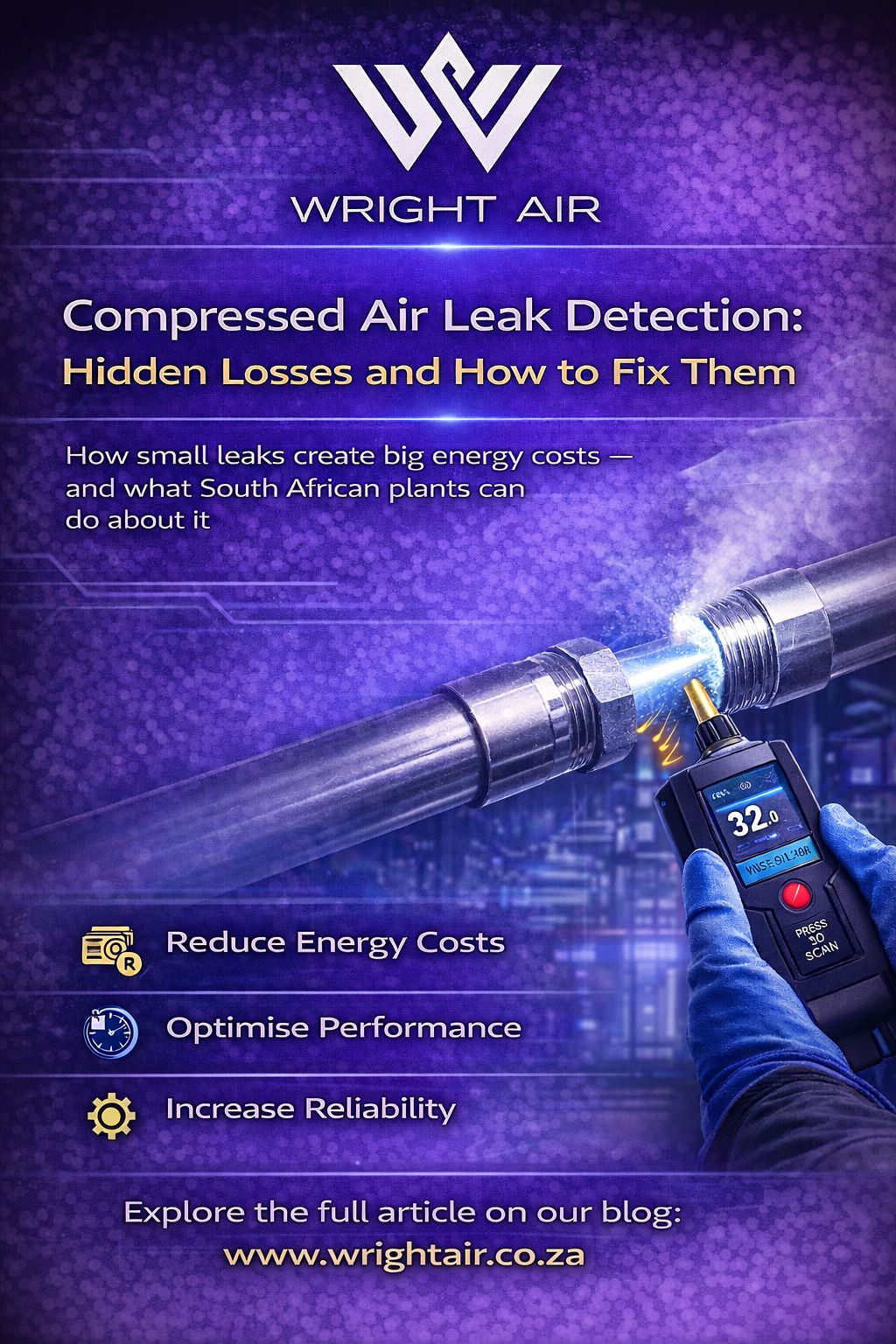
How small leaks create big energy costs — and what South African plants can do about it
Compressed air leaks are one of the largest and most overlooked sources of energy waste in industrial facilities. Because compressed air is invisible, leaks often go unnoticed — yet they can quietly drain 20–30% of total compressor output, driving up electricity costs and reducing system reliability.
In the South African context, where power costs are high and operating margins are under pressure, leak management is one of the fastest, lowest-cost efficiency improvements available.
Why Compressed Air Leaks Are So Expensive
Unlike electrical losses, compressed air losses are continuous. A leak wastes energy every second the system is pressurised — whether production is running or not.
The real cost of leaks:
- Increased electricity consumption
- Longer compressor run times
- Higher maintenance and wear
- Reduced system pressure at point of use
- Premature compressor replacement
Even a small 3 mm leak can cost tens of thousands of rand per year in wasted electricity, depending on operating hours and pressure.
Common Sources of Air Leaks
Leaks rarely occur at the compressor itself. They typically appear throughout the distribution network and at points of use.
High-risk leak areas:
- Hose connections and quick couplers
- Worn seals and O-rings
- Manual drain valves left partially open
- Cracked hoses or fittings
- Threaded joints and flange connections
- Poorly maintained pneumatic tools
In older plants, multiple small leaks often combine into a significant system loss.
How Leaks Affect Efficiency and Production
Leaks do more than waste energy. They cause:
- Pressure drops across the system
- Unstable tool and machine performance
- Increased moisture carryover
- Higher duty cycles on compressors
In response, operators often raise system pressure — increasing energy consumption by approximately 7% for every 1 bar increase, compounding the problem.
How to Detect Compressed Air Leaks
1. Visual and Audible Inspection
Large leaks can often be:
- Heard as hissing sounds
- Seen via oil mist or dust movement
This method is useful but often misses smaller, costly leaks.
2. Soap Solution Testing
Applying a soap solution to joints and fittings reveals leaks through bubbling.
Best for:
- Confirming suspected leaks
- Targeted inspections
Limitations:
- Time-consuming
- Not practical for large systems
3. Ultrasonic Leak Detection (Best Practice)
Ultrasonic detectors identify the high-frequency sound created by escaping compressed air — even in noisy production environments.
Advantages:
- Detects leaks during normal operation
- Identifies very small leaks
- Allows prioritisation by cost impact
For South African plants running extended hours, ultrasonic surveys deliver fast payback.
Fixing Leaks: Practical Corrective Actions
Once leaks are identified, fixing them is usually simple and inexpensive.
Typical solutions:
- Replacing worn hoses and fittings
- Resealing threaded joints
- Repairing or replacing faulty couplers
- Servicing or replacing drain valves
- Upgrading low-quality connectors
In many cases, repair costs are recovered within weeks through energy savings.
Measuring the Impact of Leak Repairs
After repairs, facilities typically experience:
- Reduced compressor run hours
- Lower energy consumption
- Improved pressure stability
- Reduced maintenance workload
Some plants can even switch off redundant compressors after leak reduction — delivering direct capital and operating cost savings.
Leak Management as an Ongoing Process
Leak detection is not a once-off task.
Best practice includes:
- Annual or bi-annual leak audits
- Leak tagging and tracking
- Prioritisation based on cost impact
- Staff awareness and reporting
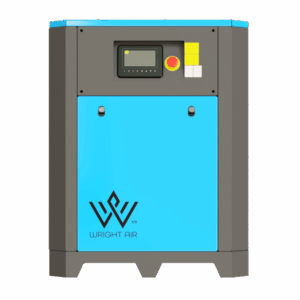
Modern systems from Wright Air Compressors support leak detection by highlighting abnormal load profiles and excessive run times.
Why Leak Detection Makes Sense in South Africa
Local conditions amplify the benefits:
- High electricity tariffs
- Long operating hours
- Ageing infrastructure in many plants
- Pressure to reduce operational expenditure
Leak detection offers one of the highest returns on investment of any efficiency initiative — often with payback periods measured in weeks, not years.
Key Takeaways
- Air leaks can waste up to 30% of compressed air output
- Small leaks add up to large annual costs
- Ultrasonic detection is the most effective method
- Repairs are low-cost and fast to implement
- Ongoing leak management improves efficiency and reliability
Conclusion
Compressed air leaks are silent profit killers — but they are also one of the easiest problems to solve.
By identifying and repairing leaks, South African manufacturers can immediately reduce energy costs, stabilise system performance, and extend compressor life.
If you can’t see it leaking, it may already be costing you.
Two Stage Screw Compressors


Desiccant Dryer
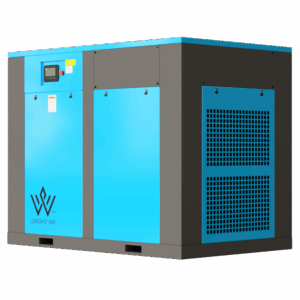
Screw Compressors
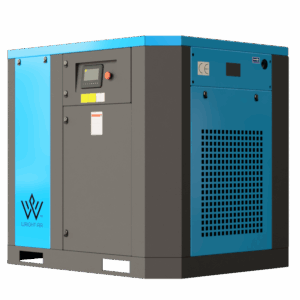

Screw Compressors
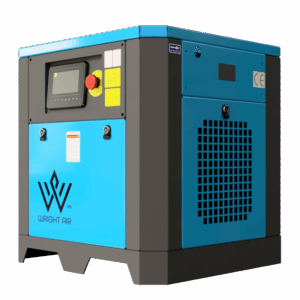

Screw Compressors

Screw Compressors