How South African manufacturers unlock measurable savings through data-driven analysis
Compressed air is one of the most energy-intensive utilities in industry, yet it is often the least measured and least understood. Many facilities know their compressors consume power — but few know how efficiently that power is being used or where losses are occurring.
A compressed air energy audit provides that clarity. In the South African industrial environment, where electricity costs continue to rise and operational efficiency is critical, energy audits are one of the highest-return optimisation tools available.
What Is a Compressed Air Energy Audit?
A compressed air energy audit is a structured assessment of how a system:
- Generates air
- Distributes air
- Consumes energy
- Delivers air to end users
The goal is not theoretical modelling — it is to identify practical, measurable opportunities to reduce energy consumption and operating costs without compromising production.
What an Energy Audit Typically Includes
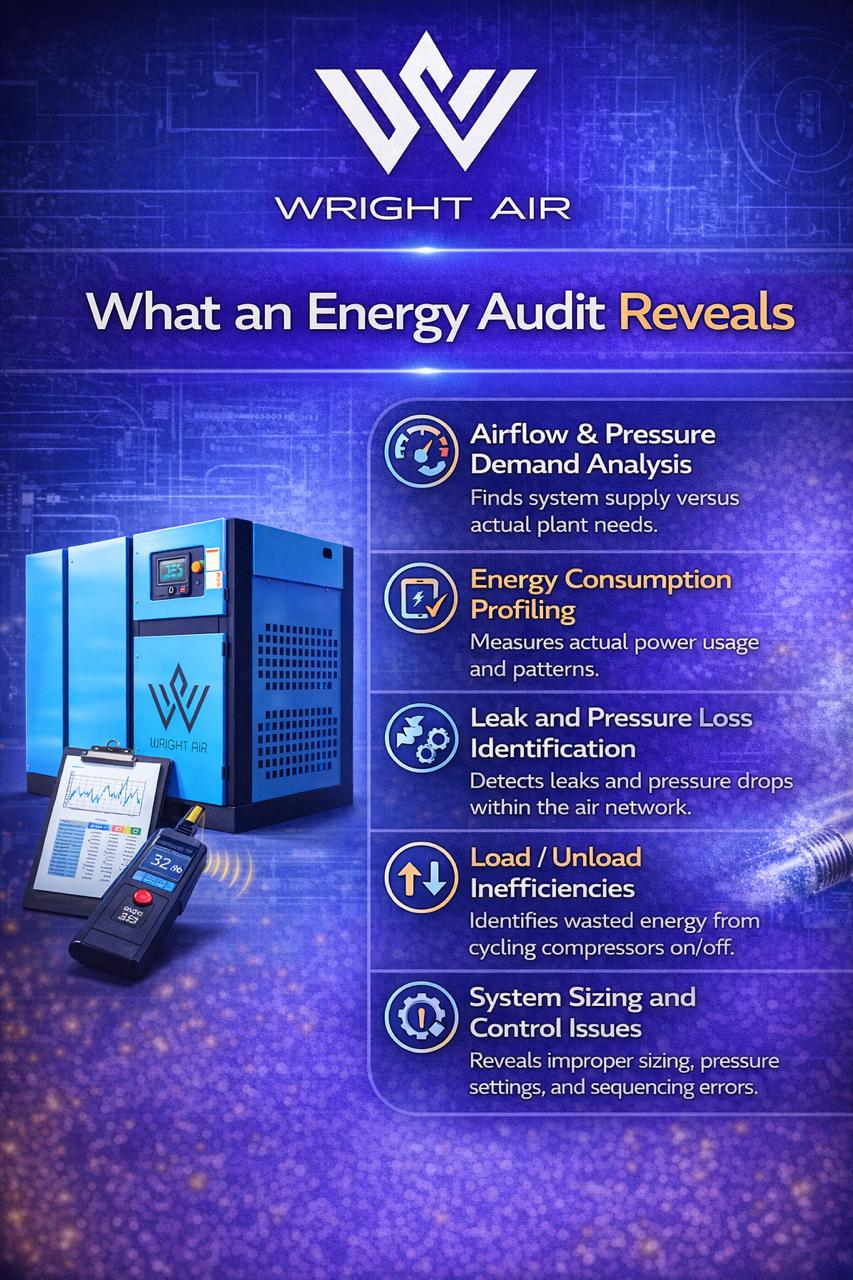
1. System Data Logging and Measurement
Audits begin with real operating data, not assumptions.
Measured parameters typically include:
- Compressor power consumption (kW)
- Airflow (m³/min)
- System pressure
- Load vs unloaded running time
- Operating hours and demand cycles
Data is logged over several days to capture:
- Peak production periods
- Low-load or idle times
- Shift patterns and weekend operation
This is critical in South Africa, where load profiles often vary significantly.
2. Leak Assessment and Distribution Losses
Energy audits evaluate losses across the entire air network.
- Leak detection surveys
- Pressure drop measurement across pipework and filters
- Identification of undersized or poorly designed lines
- Evaluation of drain and condensate losses
Leaks alone can account for 20–30% of total air production, making them one of the biggest savings opportunities.
3. Compressor Control and Sequencing Review
Many plants operate multiple compressors inefficiently.
- Compressor sizing vs actual demand
- VSD vs fixed-speed operation
- Load-sharing and sequencing logic
- Start/stop and pressure band settings
Optimising control strategies often delivers double-digit percentage energy savings with minimal capital investment.
4. Pressure Optimisation Analysis
System pressure is frequently set higher than required to compensate for losses.
- Minimum pressure required at point of use
- Pressure drops across the system
- Opportunities to lower setpoints
Every 1 bar reduction in pressure can reduce energy consumption by ±7% — one of the most impactful findings in most audits.
5. Air Treatment and Ancillary Equipment Review
Dryers, filters, and auxiliary equipment are assessed for:
- Correct sizing
- Pressure drop impact
- Energy consumption
- Maintenance condition
Inefficient air treatment can quietly negate gains made elsewhere in the system.
What Happens After the Audit?
The outcome of a compressed air energy audit is a clear, prioritised action plan.
- Quantified energy savings (kWh and cost)
- Recommended system changes
- Payback periods and ROI calculations
- No-cost, low-cost, and capital investment options
Crucially, recommendations are ranked by impact, allowing management to act strategically.
Real-World Savings: What South African Plants See
- 10–15% energy savings through pressure optimisation
- 20–30% reduction in wasted air through leak repair
- Reduced compressor run hours
- Improved reliability and reduced maintenance cost
In many cases, total system energy savings of 15–40% are achievable.
Why Energy Audits Pay Off Quickly
- They identify waste in systems already running
- Many fixes require minimal capital
- Savings begin immediately after implementation
- Improvements reduce both energy and maintenance costs
For facilities operating long hours, payback periods are often measured in months, not years.
Supporting Long-Term Efficiency
Modern compressors and monitoring platforms from Wright Air Compressors support ongoing efficiency by:
- Providing real-time energy data
- Enabling performance tracking
- Supporting continuous improvement initiatives
This ensures that savings achieved through an audit are maintained long-term.
Key Takeaways
- Compressed air is one of the largest hidden energy costs
- Energy audits replace assumptions with real data
- Pressure, leaks, and control strategy are the biggest savings drivers
- Audits deliver measurable, bankable results
- ROI is fast and operational risk is low
Conclusion
A compressed air energy audit is not an expense — it is an investment in visibility and control.
By understanding how energy is truly used and lost, South African manufacturers can reduce operating costs, improve reliability, and future-proof their compressed air systems.
You can’t manage what you don’t measure — and audits make efficiency measurable.
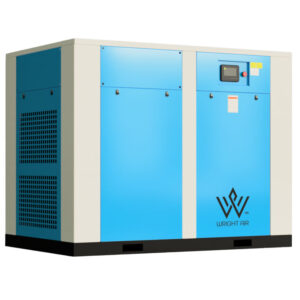
Two Stage Screw Compressors

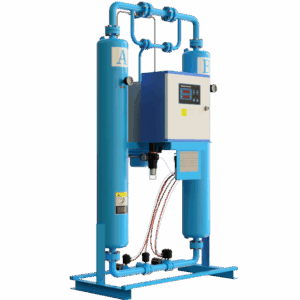

Desiccant Dryer
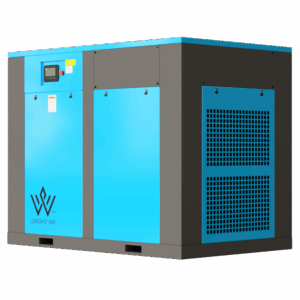
Screw Compressors
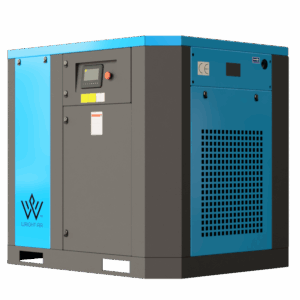

Screw Compressors
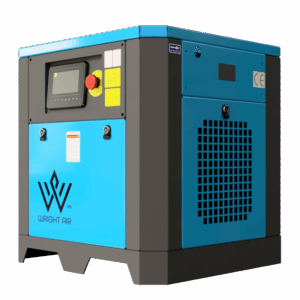

Screw Compressors

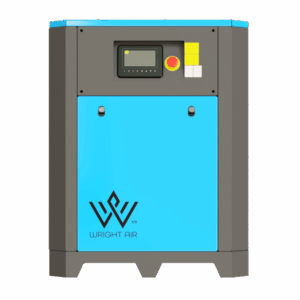
Screw Compressors