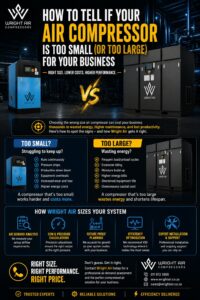
Compressed air is often referred to as the fourth utility in manufacturing, yet it is one of the most misunderstood systems when it comes to sizing and efficiency. Across many South African factories, compressed air systems are significantly oversized. While this might seem like a safe approach, oversizing compressors often leads to higher energy costs, inefficient operation, and unnecessary capital expenditure.
Right-sizing a compressed air system ensures that your plant receives the air it needs—no more and no less—while maintaining optimal efficiency, reliability, and operational cost control.
Why Oversizing Happens So Often
Many compressed air systems are installed with excess capacity because plant operators want to “play it safe.” The assumption is that installing a larger compressor prevents future shortages.
However, this approach can lead to several problems.
- The system runs inefficiently at partial load
- Energy consumption increases dramatically
- Frequent load/unload cycles cause mechanical wear
- Pressure stability becomes harder to maintain
In many cases, factories operate compressors that are 30–50% larger than necessary, resulting in years of wasted electricity.
Understanding Air Demand
The first step in right-sizing a compressed air system is understanding actual air demand, not theoretical estimates.
Air demand is determined by measuring:
- Average airflow consumption (CFM or m³/min)
- Peak demand during production cycles
- Simultaneous tool usage
- System pressure requirements
Many plants make the mistake of adding up the maximum airflow of every pneumatic tool. In reality, tools rarely operate simultaneously at maximum load.
A proper demand analysis reveals the true operating profile of the system.
Demand Profiling: The Key to Accurate Sizing
Demand profiling involves monitoring compressed air consumption over time to identify patterns in usage.
- Daily production cycles
- Shift changes
- Start-up demand spikes
- Seasonal variations in production
By installing monitoring equipment or data loggers, plant managers can observe real airflow patterns, allowing compressors to be sized based on actual requirements rather than assumptions.
This data-driven approach often reveals opportunities to reduce compressor capacity while improving efficiency.
The Hidden Cost of Oversized Compressors
Oversizing does not only increase capital cost—it significantly impacts long-term energy consumption.
- Energy accounts for 70–80% of a compressor’s lifetime cost
- Purchase price represents only 10–15% of total lifecycle cost
Running a compressor larger than required means paying for electricity that delivers no productive output.
Additionally, oversized systems frequently operate in inefficient load/unload cycles, where energy is consumed even when little air is being delivered.
Choosing the Right Compressor Configuration
Instead of relying on a single large compressor, many modern systems use multiple compressors operating in combination.
This approach allows plants to match production demand more precisely.
- One base-load compressor for continuous demand
- One smaller compressor for variable demand
- Variable speed compressors to handle fluctuations
This configuration improves efficiency while maintaining system flexibility.
Planning for Future Growth
One reason companies oversize compressors is concern about future expansion.
A better approach is modular system design.
Instead of installing one oversized compressor, facilities can design systems that allow additional compressors to be added later as demand increases.
This strategy keeps energy consumption low today while allowing scalability in the future.
Signs Your Compressor System Is Oversized
- Compressors frequently load and unload
- Pressure fluctuates significantly
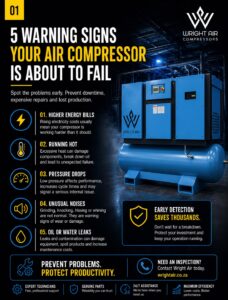
- Energy costs are unusually high
- Air demand rarely approaches maximum compressor capacity
A professional compressed air audit can quickly identify these inefficiencies.
The Wright Air Approach
At Wright Air Compressors, system sizing is based on real operational data, not assumptions.
- Demand profiling
- Energy efficiency analysis
- System optimisation
- Scalable compressor configurations
This ensures every system delivers the right amount of air with maximum efficiency and reliability.
Because when compressed air systems are properly designed, businesses benefit from lower energy costs, improved system stability, and longer equipment lifespan.
Final Thoughts
Right-sizing a compressed air system is one of the most effective ways to reduce operational costs in manufacturing.
By understanding demand patterns, avoiding oversizing, and designing systems that match real production needs, companies can significantly improve both energy efficiency and system performance.
In compressed air engineering, bigger is not always better.
Smarter design delivers better results.
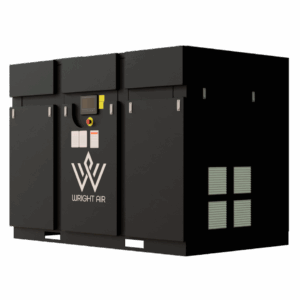
Two Stage Screw Compressors

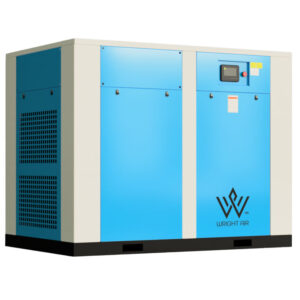
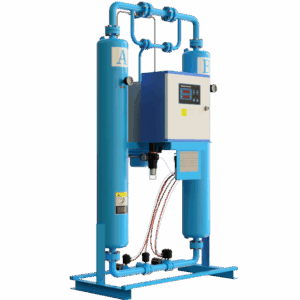

Desiccant Dryer
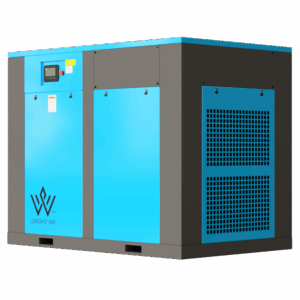
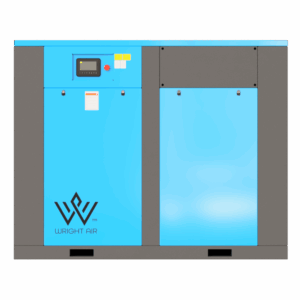
Screw Compressors
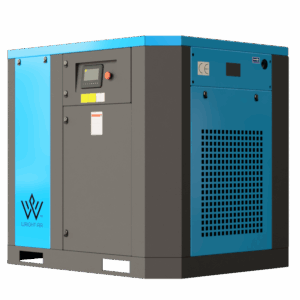

Screw Compressors
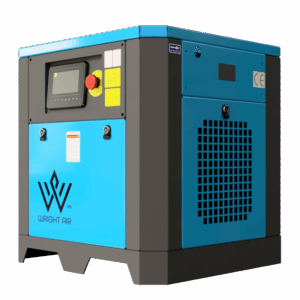

Screw Compressors

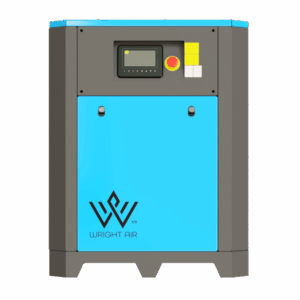
Screw Compressors