Compressed air is one of the most essential utilities in modern industry — powering tools, automating production lines, and supporting countless processes across manufacturing, mining, food, and healthcare sectors. Yet, it’s also one of the most energy-intensive resources in any facility. According to the U.S. Department of Energy, up to 50% of a compressor’s total energy can be wasted through inefficiency, leaks, and poor maintenance.
In South Africa, where electricity costs are rising and ESG (Environmental, Social and Governance) reporting is becoming a business imperative, energy-efficient compressed air systems are no longer optional — they’re a sustainability necessity.
1. The Hidden Carbon Footprint of Compressed Air
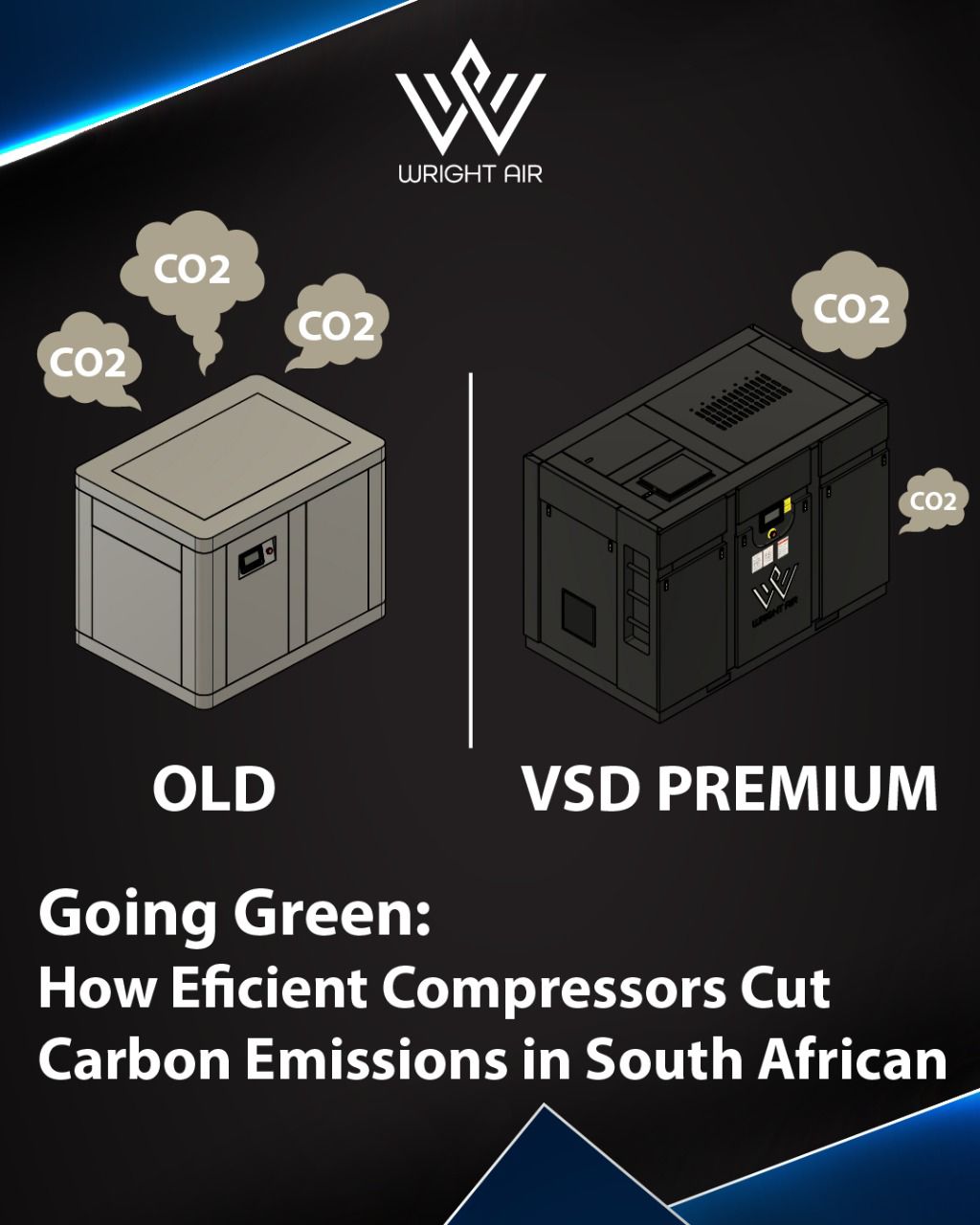
Every kWh of electricity consumed by your compressor contributes to your carbon footprint. In South Africa, where the majority of power generation still relies on coal, this impact is significant.
- A single 90kW compressor running continuously for a year can generate over 500 tonnes of CO₂ emissions if operating inefficiently.
- Energy losses from leaks, pressure drops, and oversized systems add unnecessary strain on both the environment and your bottom line.
By optimising compressor performance, facilities can dramatically reduce their CO₂ output — aligning with carbon reduction targets, ISO 50001 energy management standards, and corporate sustainability goals.
2. Energy Efficiency = Sustainability + Savings
Sustainability and profitability go hand in hand. Upgrading to high-efficiency compressors and implementing smarter air management strategies can reduce total energy use by 20–40%.
Key actions to drive efficiency:
- Adopt VSD (Variable Speed Drive) Compressors: Match air output to real-time demand, avoiding unnecessary energy waste during low-load periods.
- Fix Leaks Early: Even a small 3mm leak can waste over 12,000 kWh per year — equivalent to almost 9 tonnes of CO₂ emissions.
- Lower Operating Pressure: Every 1 bar reduction in system pressure saves roughly 7% in energy use.
- Regular Maintenance: Clean filters, drain moisture traps, and calibrate sensors to maintain optimal system performance.
Each of these steps reduces both operational costs and your environmental footprint — the very definition of sustainable business.
3. The ESG Advantage
Investors and customers are increasingly prioritising companies that demonstrate tangible sustainability commitments. Under ESG frameworks, energy management and emissions reduction are measurable indicators of environmental responsibility.
By investing in efficient compressed air systems, South African businesses can:
- Improve ESG ratings and attract sustainable investment.
- Enhance brand reputation as a green industry leader.
- Ensure compliance with national and international carbon reporting standards.
- Position themselves for future carbon tax incentives or renewable-energy rebates.
In short, efficient compressors are not just an operational upgrade — they’re a competitive advantage.
4. Wright Air’s Commitment to Sustainability
At Wright Air, we believe that sustainability and innovation go hand in hand. Our VSD compressors, air dryers, and monitoring systems are designed to optimise energy use, reduce waste, and help clients meet their ESG and carbon reduction goals.
We partner with industries across South Africa to conduct energy audits, identify inefficiencies, and implement tailor-made compressed air solutions that save both power and planet.
5. The Bottom Line
Every kilowatt saved is a step toward a cleaner, greener future — and a stronger, more efficient business. By integrating sustainable air systems today, you’re not just cutting costs — you’re contributing to a more resilient South African industry for tomorrow.
Go green with Wright Air — efficiency that makes a difference.
Learn how your facility can reduce emissions and energy costs today: www.wrightair.co.za
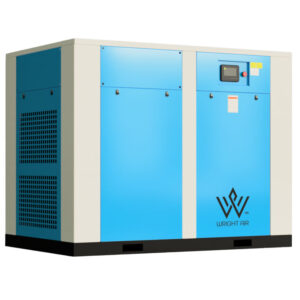
Two Stage Screw Compressors

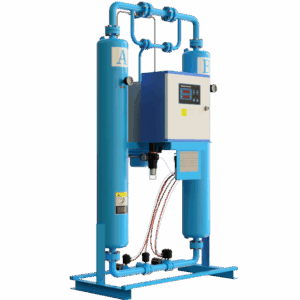

Desiccant Dryer
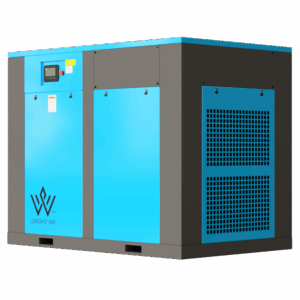
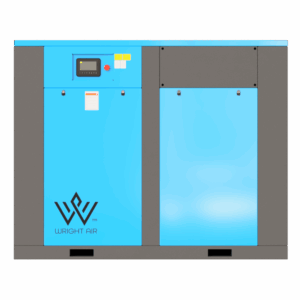
Screw Compressors
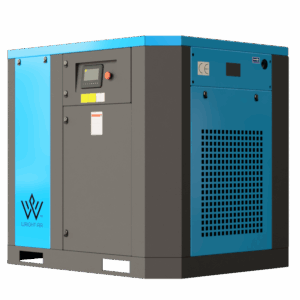

Screw Compressors
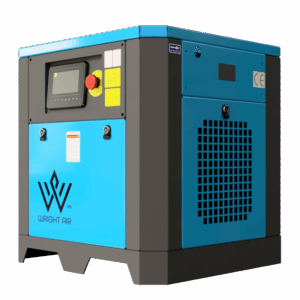

Screw Compressors

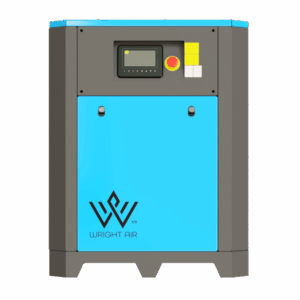
Screw Compressors