Compressed air is often called the fourth utility in industrial operations — just as essential as water, gas, and electricity. But unlike these, compressed air operates under high pressure and can be extremely dangerous if mishandled. From hose bursts and flying debris to system contamination and maintenance hazards, compressed air systems pose real risks that demand proactive management.
At Wright Air, safety is more than compliance — it’s a culture. This guide breaks down five essential safety and risk-management practices every facility using compressed air should implement.
1. Prioritise Regular Maintenance & System Inspections
Poor maintenance is one of the leading causes of workplace accidents involving compressed air. Leaks, corrosion, and worn-out fittings increase both energy costs and the chance of catastrophic failure.
Best practice:
- Schedule regular visual and ultrasonic leak inspections.
- Replace hoses, couplings, and filters according to manufacturer guidelines.
- Always isolate and depressurise systems before maintenance.
A well-maintained compressor not only improves energy efficiency but also reduces downtime and injury risk.
2. Enforce Proper PPE and Operator Training
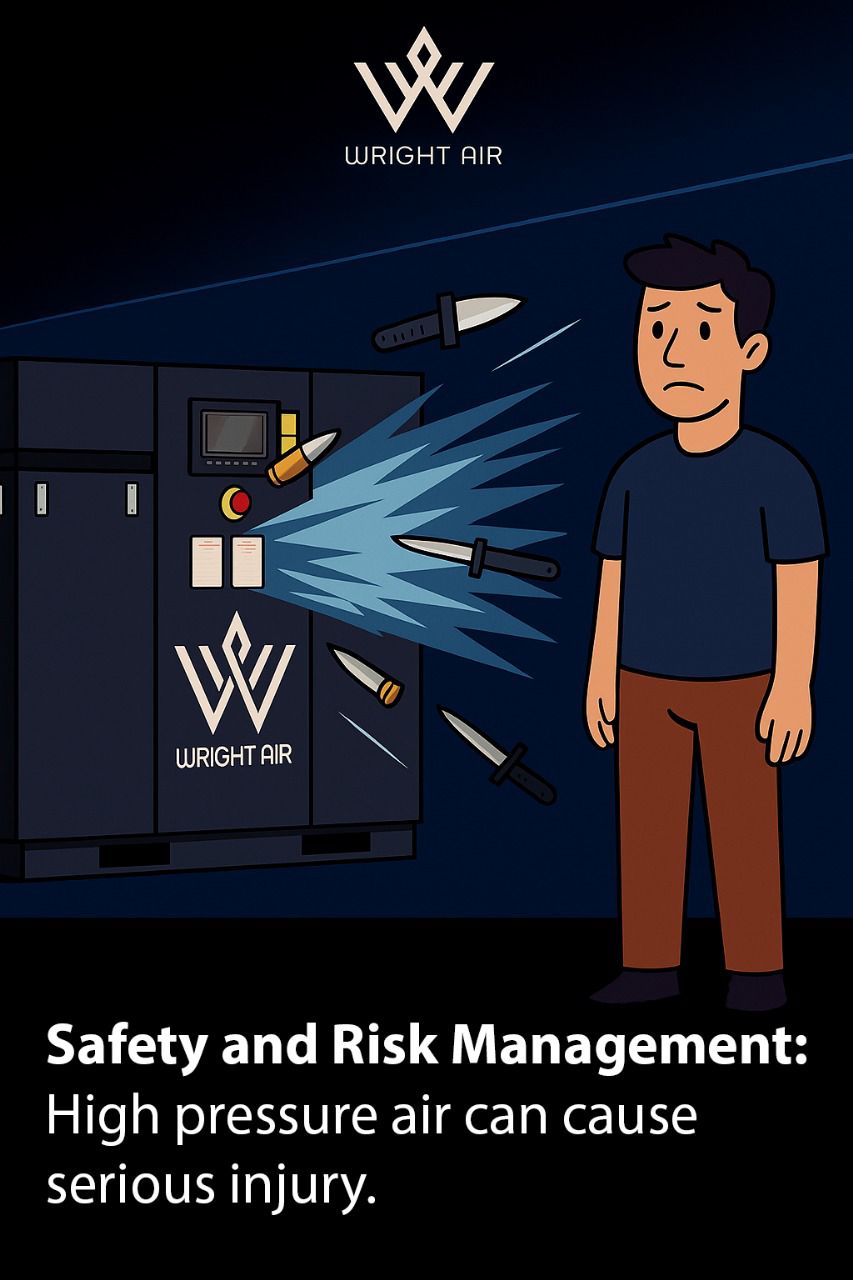
Compressed air can reach pressures exceeding 100 psi — enough to cause serious injury. Operators must understand both the power and danger of the systems they work with.
Implement:
- Compulsory PPE (goggles, gloves, ear protection).
- Routine safety briefings and certification refreshers.
- Clear signage around compressor rooms and work areas.
Training ensures every employee respects the system’s potential hazards — and knows how to act fast in an emergency.
3. Control Contaminant Risks
Oil, water, and particulate matter are not just performance concerns — they can pose health and contamination hazards in food, pharmaceutical, and healthcare applications.
Safety measures:
- Use ISO 8573-compliant air filtration.
- Regularly monitor dew point, oil vapour, and microbial counts.
- Keep compressors isolated from chemical storage or production areas.
At Wright Air, our compliance-grade dryers and filtration systems are designed to meet HACCP, GMP, and other stringent standards, protecting both your team and your product integrity.
4. Establish Emergency & Pressure-Relief Protocols
Every compressed air network must have clearly defined safety relief systems and emergency procedures.
Key actions:
- Install pressure-relief valves and ensure they’re tested regularly.
- Map out emergency shutdown procedures.
- Train staff on lock-out/tag-out (LOTO) and decompression steps.
A fast, coordinated response can be the difference between a minor incident and a major workplace disaster.
5. Partner with Certified Professionals
DIY maintenance or unqualified installations can be fatal. Partnering with accredited service providers ensures every inspection, repair, and design complies with safety codes and industry standards.
Choose providers who:
- Are familiar with SANS, ISO, and OSHA standards.
- Offer energy-efficient and risk-assessed system upgrades.
- Provide ongoing training and documentation for compliance audits.
Wright Air’s technical teams are trained to identify potential hazards before they become incidents — keeping your operations safe, reliable, and audit-ready.
Safety and risk management are not one-time checks — they’re continuous habits. By maintaining your system, enforcing safety culture, and partnering with experts, you protect not just your assets, but your people.
At Wright Air, we believe in safety through knowledge, innovation, and care. For tailored risk assessments or compliance consultations, contact us today at www.wrightair.co.za.
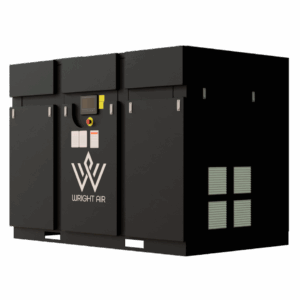
Two Stage Screw Compressors

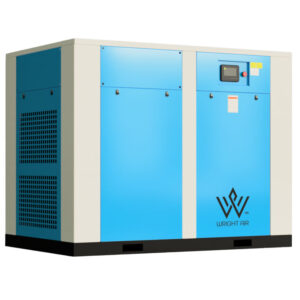
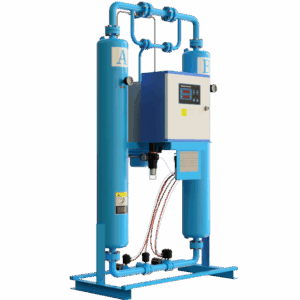

Desiccant Dryer
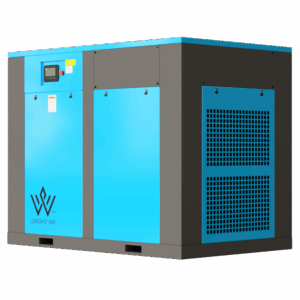
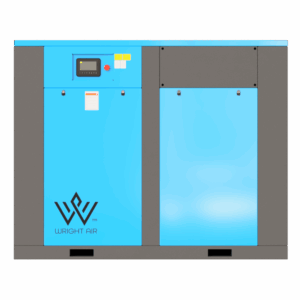
Screw Compressors
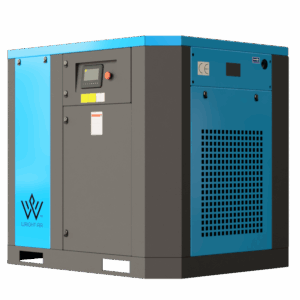

Screw Compressors
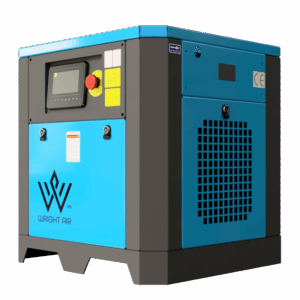

Screw Compressors

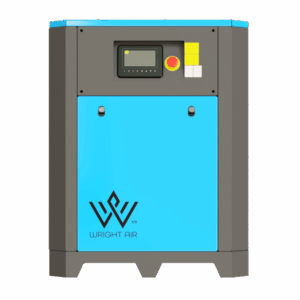
Screw Compressors