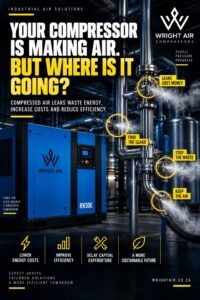
Compressed air has always been one of the most important utilities in industrial environments. From manufacturing plants and food processing facilities to mining operations, workshops, packaging lines and automotive production, compressed air keeps critical processes moving.
But in many South African facilities, compressed air systems are still managed reactively.
A compressor breaks down. A pressure drop is noticed. A leak becomes obvious. A production line slows down. Maintenance is called in after the problem has already started costing money.
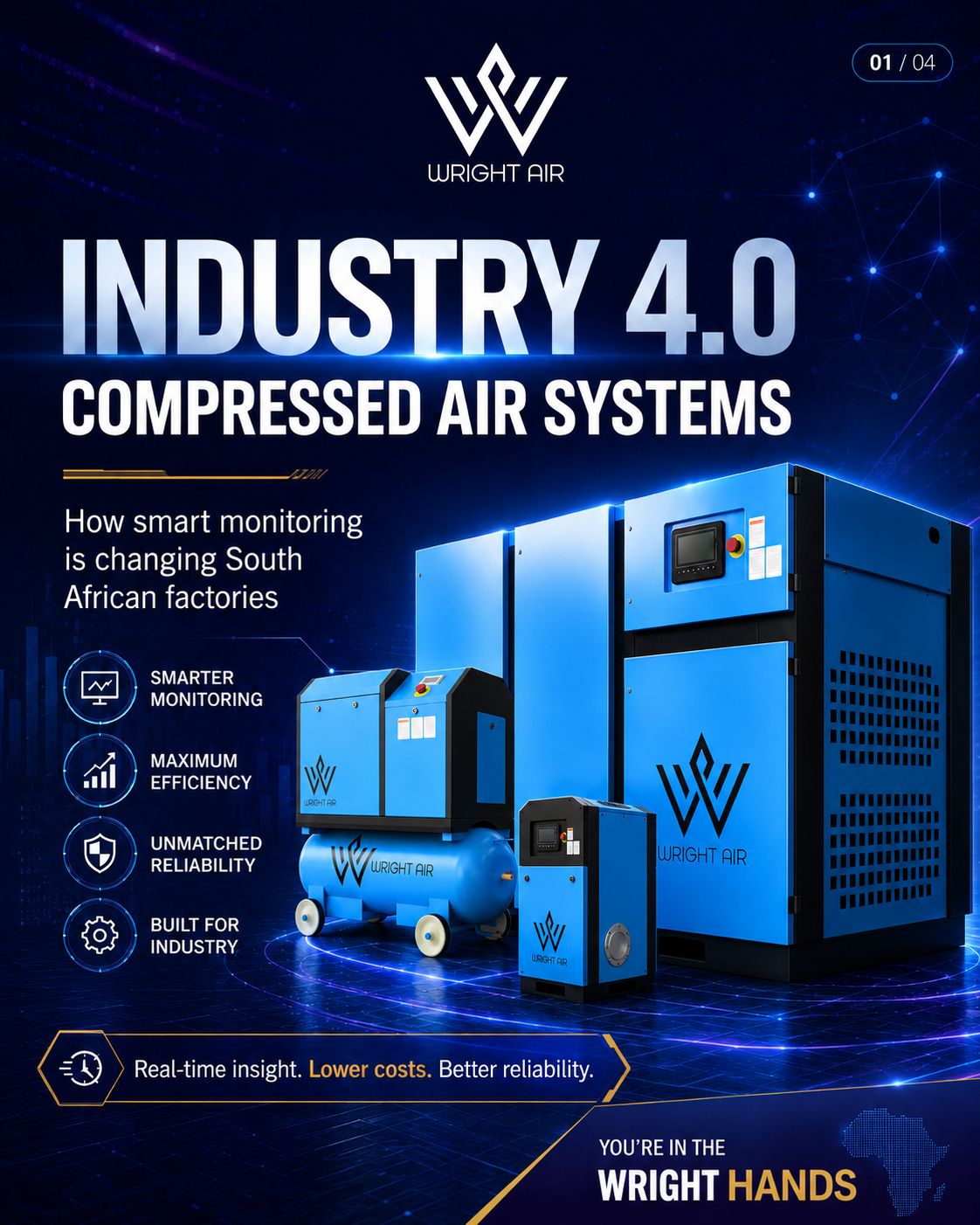
Instead of treating compressed air as a background utility, smart factories are now using real-time data, connected sensors, remote monitoring and predictive maintenance tools to manage compressed air as a measurable, optimisable system.
For South African businesses dealing with high electricity costs, production pressure, infrastructure challenges and the need for reliable output, smart compressed air monitoring is no longer just a nice-to-have. It is becoming a serious operational advantage.
What Is an Industry 4.0 Compressed Air System?
An Industry 4.0 compressed air system is a compressed air installation that uses connected technology to measure, monitor and optimise performance in real time.
This can include smart compressor controllers, pressure sensors, flow meters, dew point sensors, temperature sensors, energy monitoring devices, leak detection systems, remote dashboards, predictive maintenance alerts, data logging and cloud-based performance tracking.
Instead of relying only on manual checks, the system continuously records what is happening across the compressor room and wider compressed air network.
That means plant managers and maintenance teams can see when pressure is unstable, when air demand spikes, when energy use increases, when dryers are underperforming, when leaks are worsening, or when a compressor is running outside its ideal operating range.
In simple terms, smart monitoring turns compressed air from a hidden cost into visible data.
And once a facility can see the data, it can make better decisions.
Why Smart Compressor Monitoring Matters in South Africa
South African industry operates in a demanding environment. Production downtime, rising electricity costs, maintenance pressure and ageing infrastructure all place strain on factories and industrial facilities.
Compressed air is often overlooked because it is not always seen as a direct production cost. However, generating compressed air requires significant electrical energy, and inefficient systems can quietly waste money every day.
The problem is that many compressed air losses are invisible.
A leaking line may not stop production immediately. An oversized compressor may still deliver air. A pressure setting that is too high may not trigger an alarm. A dryer that is slowly losing efficiency may go unnoticed until moisture affects production quality.
Smart compressor monitoring helps identify these problems earlier.
For South African factories, that can mean lower electricity waste, better compressor reliability, fewer unexpected breakdowns, improved maintenance planning, more stable system pressure, better product quality in sensitive applications, longer equipment lifespan and more informed capital investment decisions.
The goal is not only to have a compressor that runs.
The goal is to have a compressed air system that runs efficiently, reliably and intelligently.
The Problem with Reactive Compressed Air Maintenance
Traditional compressed air maintenance often depends on scheduled servicing and visible faults.
That approach has value, but it also has limits.
A technician may inspect the system monthly or quarterly. Filters may be replaced on a fixed schedule. Oil may be checked. Belts, valves and drains may be reviewed. But between inspections, the system may still be wasting energy every day.
Common hidden problems include pressure being set too high, air leaks in the distribution network, poor compressor sequencing, excessive unloaded running, blocked filters, dryer inefficiency, moisture carryover, inaccurate demand planning, poor compressor room ventilation and equipment running outside ideal load conditions.
The issue is that many compressed air systems still “work” while operating inefficiently.
That is where Industry 4.0 becomes valuable. Smart monitoring allows facilities to move from reactive maintenance to predictive maintenance.
Instead of asking, “Why did the compressor fail?”
The better question becomes, “What data showed this problem developing before failure?”
Predictive Maintenance: Fixing Problems Before They Become Downtime
Predictive maintenance uses data to identify early warning signs before equipment failure happens.
In compressed air systems, this can include monitoring running hours, load and unload cycles, motor temperature, discharge temperature, pressure trends, flow demand, energy consumption, vibration changes, dryer performance, service intervals, filter pressure drop, moisture levels and fault history.
These insights help maintenance teams act early, rather than waiting for a breakdown.
For industries where downtime is expensive, such as food production, packaging, mining support, manufacturing, automotive work and process-driven environments, predictive maintenance can protect both productivity and profitability.
Real-Time Data Makes Better Decisions Possible
One of the biggest benefits of smart compressed air systems is that decisions are based on evidence rather than assumptions.
Industry 4.0 monitoring allows a facility to see what is actually happening, supporting better decisions around system sizing, pressure levels, leak impact, dryer performance, demand changes, storage requirements and overall system design.
This is important because compressed air efficiency is not only about the compressor itself. It is about the entire system.
Key Areas Smart Monitoring Can Improve
1. Pressure Optimisation
Smart monitoring helps determine whether system pressure is genuinely required or whether it can be reduced without affecting production, lowering energy use and system strain.
2. Leak Detection and Air Loss Control
Flow monitoring can identify abnormal demand patterns, helping maintenance teams detect and repair leaks more effectively.
3. Compressor Sequencing
Smart control systems match compressor output to real demand, improving efficiency and reducing wear in multi-compressor installations.
4. Energy Tracking
Energy monitoring provides clear insight into electricity usage, helping facilities understand true operating costs and identify savings opportunities.
5. Air Quality and Moisture Control
Dew point and filtration monitoring help maintain air quality, protecting equipment and ensuring compliance in sensitive industries.
Smart Monitoring Does Not Replace Good Engineering
Industry 4.0 does not replace proper system design, installation or maintenance. It enhances it.
The best results come from combining quality equipment, correct system design, proper installation, scheduled servicing and real-time monitoring.
When Should a Factory Consider Smart Compressed Air Monitoring?
Facilities should consider smart monitoring when facing rising electricity costs, pressure instability, unexplained faults, high maintenance costs, moisture issues, multiple compressors, downtime risks, suspected leaks or uncertainty about system performance.
Monitoring is also valuable when planning upgrades or justifying investment decisions with real data.
The Role of Remote Monitoring
Remote monitoring allows key system data to be accessed without being physically present, improving response time, visibility and operational control across multiple sites.
Why Data Matters Before Buying a New Compressor
Smart monitoring helps identify whether system issues are caused by supply, demand, control or distribution problems, preventing unnecessary capital expenditure and ensuring correct equipment selection.
Industry 4.0 and Total Cost of Ownership
Total cost of ownership includes energy, maintenance, downtime and efficiency losses. Smart monitoring improves visibility and helps reduce long-term costs.
The Future of Compressed Air Is Connected
Compressed air systems are becoming smarter, more connected and more data-driven. Facilities that adopt these technologies early will be better positioned to improve efficiency, reliability and decision-making.
Final Thoughts
Compressed air is too important, and too expensive, to be managed blindly.
Industry 4.0 gives South African factories the tools to monitor performance, reduce inefficiencies, prevent downtime and make smarter investment decisions.
Is your compressed air system running as efficiently, reliably and intelligently as it should be?
Work Smarter With Wright Air
At Wright Air, we help South African businesses get more from their compressed air systems through reliable equipment, expert support and practical solutions.
Get in touch with Wright Air today and make sure your compressed air system is working smarter, not harder.
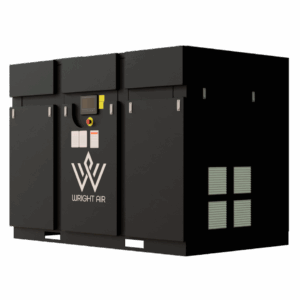
Two Stage Screw Compressors

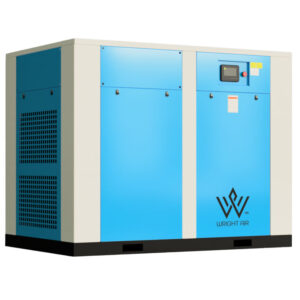
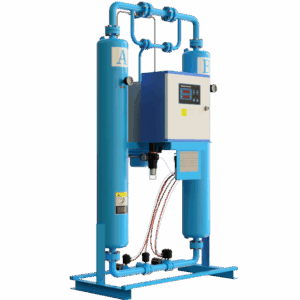

Desiccant Dryer
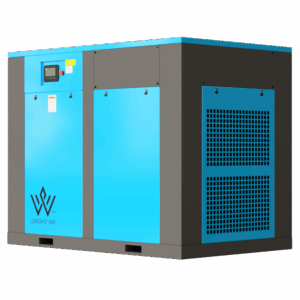
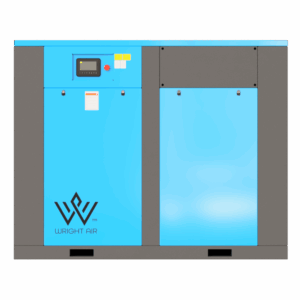
Screw Compressors
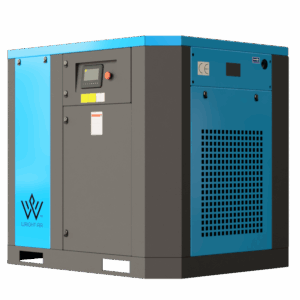

Screw Compressors
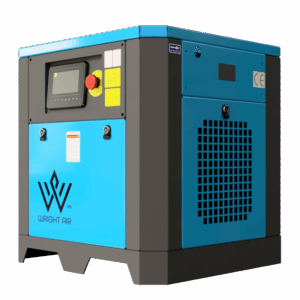

Screw Compressors

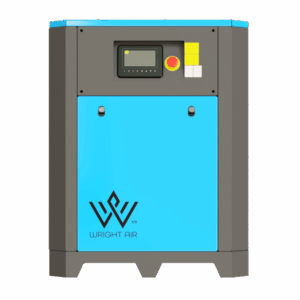
Screw Compressors