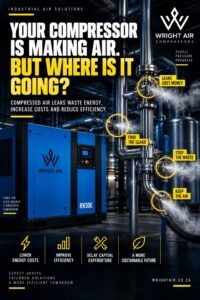
Compressed air is one of the most relied-upon utilities in industrial facilities. It powers production lines, pneumatic tools, packaging equipment, instrumentation, cleaning processes and many other critical operations.
But because compressed air is often hidden in the background, it is also one of the most misunderstood systems in a facility.
Many South African factories, workshops, mines and processing plants lose money every month because of simple compressed air myths. These myths lead to poor pressure control, oversized compressors, air leaks, moisture problems, unnecessary maintenance costs and avoidable energy waste.
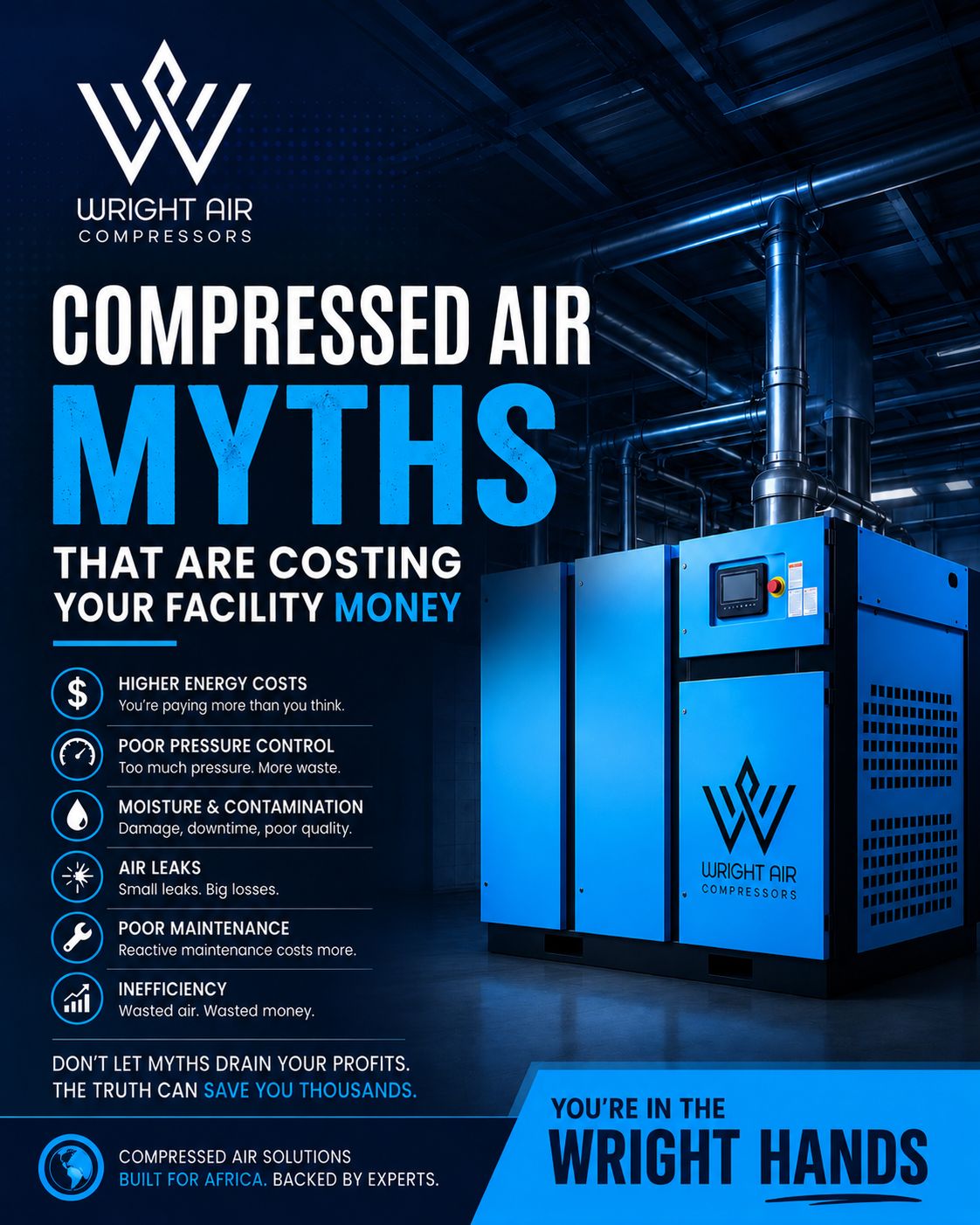
With Eskom’s standard tariffs for direct customers increasing by 8.76% from 1 April 2026, electricity efficiency is not just a technical issue. It is a business issue. Every unnecessary kilowatt used in the compressor room affects operating costs, margins and long-term competitiveness.
Here are the biggest compressed air myths that could be costing your facility money.
Myth 1: Compressed Air Is Cheap
One of the most expensive beliefs in any facility is that compressed air is cheap once the compressor has been installed.
It is not.
Compressed air may feel like a free utility because operators simply connect a hose and get air on demand. But behind that air is an electric motor, a compressor, filtration, drying equipment, pipework, storage and maintenance.
The biggest long-term cost of compressed air is usually the electricity required to produce it. Pressure, air temperature and system air tightness all influence energy consumption.
In other words, compressed air is not free. It is paid for every month through the electricity bill.
The reality
Compressed air is one of the most useful utilities in industry, but it is also energy-intensive. Poor system management can quickly turn it into a silent cost leak.
Myth 2: Bigger Compressors Are Always Better
Many facilities choose a larger compressor because they want to “play it safe”.
An oversized compressor may cycle inefficiently, waste energy and place unnecessary strain on components. It may also hide deeper system problems such as air leaks, poor pipework or incorrect pressure settings.
The reality
The correct compressor is not the biggest compressor. It is the one that matches real demand, pressure and operating conditions.
Myth 3: Increasing Pressure Solves Production Problems
When production struggles, pressure is often increased as a quick fix. This increases energy use, leakage and equipment strain.
- Air leaks
- Undersized pipework
- Blocked filters
- Poor layout
- Inadequate storage
- Incorrect dryer selection
- Pressure drops
- Equipment misuse
The reality
Pressure should be optimised, not increased blindly.
Myth 4: Small Leaks Do Not Matter
Even small leaks add up across a facility, forcing compressors to work harder and increasing electricity costs.
The reality
Leaks are energy losses and should be treated as wasted electricity.
Myth 5: Moisture Is Only a Minor Problem
Moisture damages equipment, contaminates processes and reduces reliability.
The reality
Dryers, drains and filtration are essential for protecting systems and product quality.
Myth 6: Maintenance Can Wait Until Something Breaks
Delaying maintenance increases long-term costs, reduces efficiency and risks downtime.
The reality
Preventative maintenance protects uptime, efficiency and equipment lifespan.
Myth 7: All Compressors Are Basically the Same
Different compressor types suit different applications. The wrong choice increases cost and reduces performance.
The reality
Compressor selection must match demand, environment and operational needs.
Myth 8: A New Compressor Will Fix Every Problem
A new compressor cannot fix poor system design, leaks or maintenance issues.
- Pipework layout
- Air receivers
- Dryers
- Filters
- Drain systems
- Pressure regulators
- Maintenance routines
The reality
A compressor must be part of a complete system solution.
Myth 9: Air Leaks Are Normal
Leaks are often accepted but represent preventable energy loss.
The reality
Leak detection and repair reduces costs and improves system performance.
Myth 10: Efficiency Is Only About the Machine
Efficiency depends on the entire system, not just the compressor.
- Correct sizing
- Pressure settings
- Leak control
- Ventilation
- Filtration
- Pipework
- Dryers
- Maintenance
The reality
System-wide optimisation delivers the best efficiency gains.
Why These Myths Matter in South Africa
Compressed air inefficiency increases electricity costs, downtime risk and maintenance pressure in already demanding operating environments.
- Higher electricity bills
- Increased wear
- Unstable pressure
- More breakdowns
- Higher maintenance costs
- Poor air quality
- Reduced lifespan
How to Start Fixing the Problem
Start with a compressed air system assessment to identify inefficiencies and improvement opportunities.
- Air demand
- Compressor performance
- Pressure settings
- Leak losses
- Air quality
- Dryer performance
- Pipework restrictions
The Wright Air Approach
At Wright Air Compressors, systems are assessed holistically to improve efficiency, reduce waste and support reliable production.
Final Thoughts
Compressed air myths lead to higher costs, inefficiency and avoidable downtime.
With the right strategy, compressed air becomes an opportunity for savings, reliability and improved performance.
Call to Action
Speak to Wright Air Compressors for expert guidance on system optimisation, maintenance and efficiency improvements.
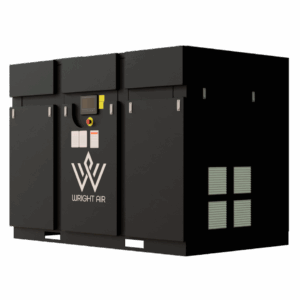
Two Stage Screw Compressors

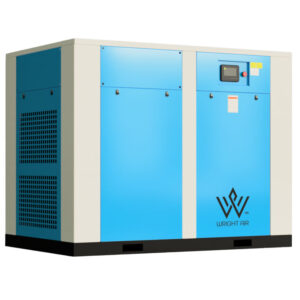
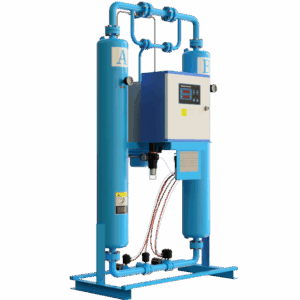

Desiccant Dryer
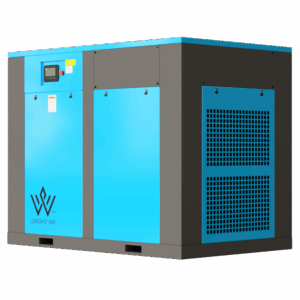
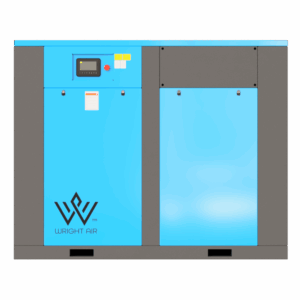
Screw Compressors
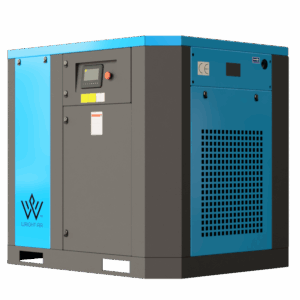

Screw Compressors
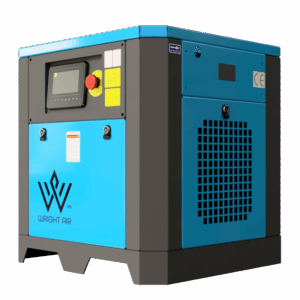

Screw Compressors

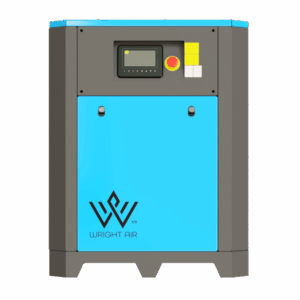
Screw Compressors