
In compressed air systems, moisture is one of the most overlooked causes of inefficiency, equipment failure, and product contamination. Many operators focus on compressor size, pressure, and energy consumption, but neglect one of the most damaging by-products in the system: water.
The reality is simple. Every compressed air system produces moisture. The question is not whether water is present in your air line, but whether your system is removing it properly.
For South African industry, where ambient temperatures, humidity swings, and harsh operating environments are common, compressed air drying is not optional. It is essential.
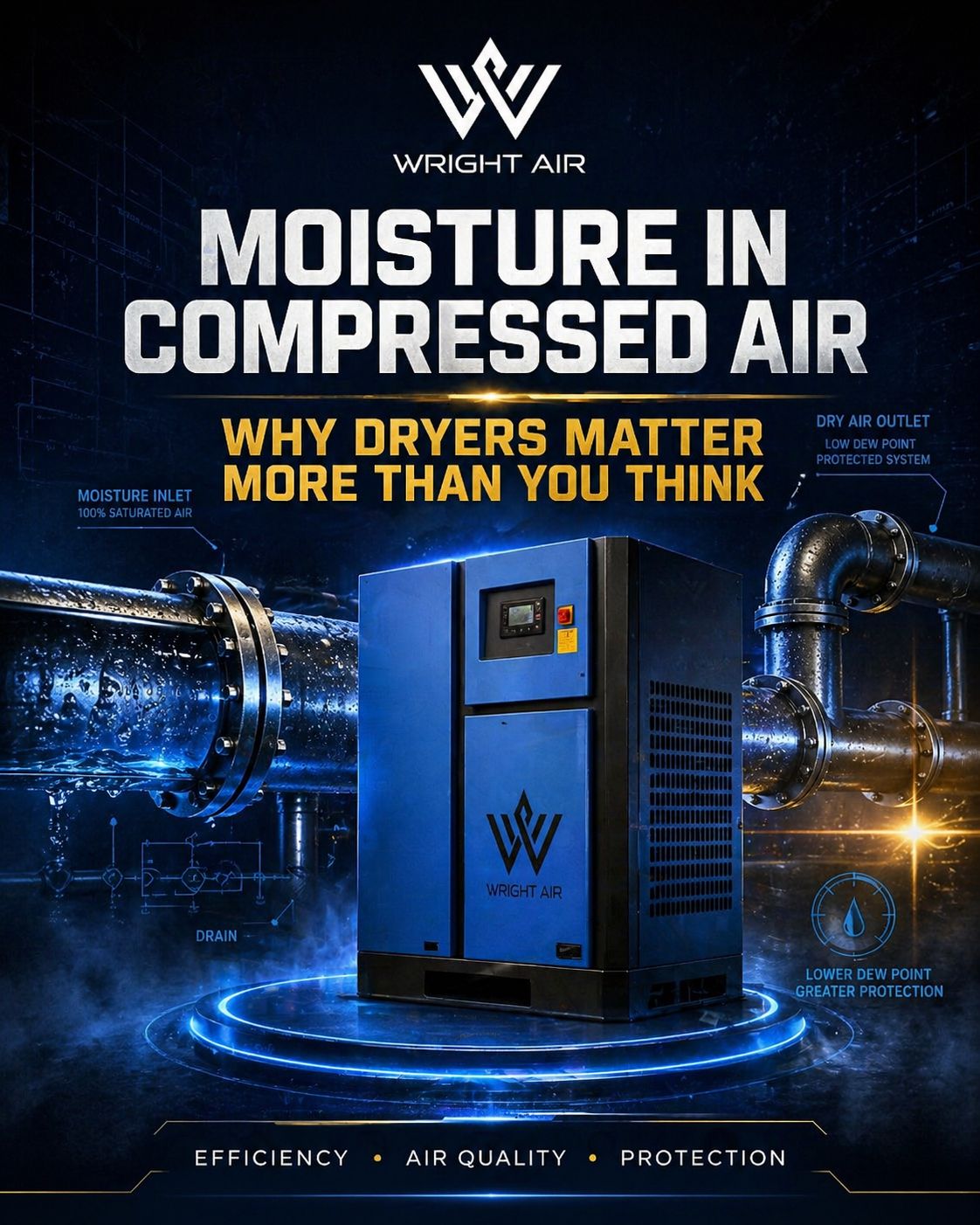
Why Moisture Exists in Every Compressed Air System
Atmospheric air naturally contains water vapour. When that air is drawn into a compressor and compressed, the concentration of moisture rises significantly. As the air leaves the compressor, it is hot, saturated, and loaded with water vapour.
As that compressed air cools in the receiver, piping, and downstream equipment, the vapour condenses into liquid water.
That water then enters the system.
This is where the trouble begins.
Moisture in compressed air does not simply disappear. It moves through the network, collecting in tanks, settling in pipework, contaminating valves, damaging tools, and affecting end-use processes.
What Moisture Does to Your System
Water in a compressed air system creates far more damage than most operators realise.
It corrodes pipework from the inside out, shortens the life of pneumatic equipment, strips lubrication from tools, damages seals, and increases maintenance frequency. In colder or high-pressure conditions, it can also create blockages, pressure instability, and inconsistent tool performance.
In production environments, the impact is even more serious.
Moisture in compressed air can:
- Ruin spray finishes
- Contaminate food packaging
- Damage instrumentation
- Cause pneumatic control failures
- Compromise product quality
- Trigger costly downtime and rework
The Hidden Cost of Wet Air
Moisture does not always fail dramatically. More often, it drains profitability slowly.
Wet compressed air increases:
- Maintenance costs
- Corrosion-related failures
- Product rejection rates
- Downtime frequency
- Filter loading
- Energy waste across the system
These losses often go unnoticed because they are treated as separate maintenance issues rather than symptoms of poor air treatment.
A sticking valve is blamed on wear. A failed actuator is blamed on age. A rejected batch is blamed on production. A rusted line is blamed on environment.
In reality, moisture is often the root cause.
This is why air dryers are not accessories. They are system protection.
What an Air Dryer Actually Does
A compressed air dryer removes moisture from the air stream before it can condense inside the system.
The goal is not just to remove visible water.
The goal is to reduce the dew point of the compressed air so condensation does not form downstream.
This is the key function of a dryer: It lowers the pressure dew point of the compressed air to a level where moisture can no longer condense during normal operation.
That one function protects everything downstream.
Refrigerated Dryers: The Industrial Standard
For most industrial applications, a refrigerated dryer is the most practical and cost-effective solution.
Refrigerated dryers cool compressed air to roughly 3°C, forcing moisture to condense so it can be separated and drained before entering the distribution system.
This makes them ideal for:
- General manufacturing
- Workshops
- Automotive plants
- Packaging lines
- Food production
- Most industrial compressed air systems
Refrigerated dryers offer:
- Reliable moisture removal
- Low maintenance
- Strong energy efficiency
- Lower total cost of ownership
- Excellent protection for most plant systems
For the majority of industrial users, refrigerated dryers deliver the best balance of protection, efficiency, and cost.
Desiccant Dryers: When Ultra-Dry Air Matters
Some applications require much drier air than a refrigerated dryer can provide.
This is where desiccant dryers are used.
Desiccant dryers remove moisture using adsorption media and can achieve dew points as low as -40°C and below, making them suitable for highly sensitive applications.
These are typically used in:
- Pharmaceutical production
- Electronics manufacturing
- Instrument air
- Critical process control
- Precision spray applications
They are essential where ultra-dry air is required, but they come with higher operating costs and greater energy demand.
This makes correct dryer selection critical.
Not every plant needs desiccant drying. But every plant does need drying.
Why Dryer Selection Matters
Choosing the wrong dryer can be just as costly as having no dryer at all.
Undersized dryers fail under load. Oversized dryers waste energy. Incorrect dew point selection increases operating cost. Poor specification creates avoidable system risk.
Dryer selection should always be based on:
- Required air quality
- Flow demand
- Ambient conditions
- Pressure dew point requirements
- Application sensitivity
- ISO air quality requirements
Dryers should be selected as part of the full compressed air system, not as an afterthought.
Why ISO 8573 Matters in South Africa
Compressed air quality is not subjective. It is measurable.
ISO 8573 provides the international standard for compressed air quality, classifying contamination across three categories:
- Particles
- Water
- Oil
For South African industry, this matters because moisture control is not just about maintenance. It is about compliance, consistency, and protecting production quality.
Whether you are supplying food-grade air, protecting instrumentation, or reducing maintenance failures, drying and filtration should be aligned with the air quality your process actually requires.
Dry Air Is Not a Luxury. It Is Protection.
Compressed air dryers are often viewed as secondary equipment.
They are not.
They protect pipework. They protect tools. They protect product quality. They protect uptime. They protect profitability.
Ignoring moisture in a compressed air system is one of the fastest ways to increase maintenance cost and reduce system reliability.
The compressor may produce the air. The dryer determines whether that air is usable.
In compressed air, dry air is not a luxury. It is protection.
Two Stage Screw Compressors

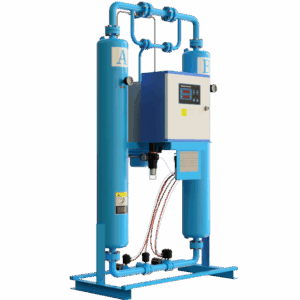

Desiccant Dryer
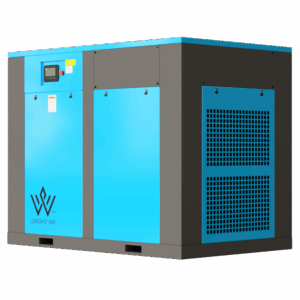
Screw Compressors
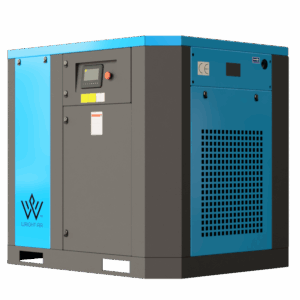

Screw Compressors
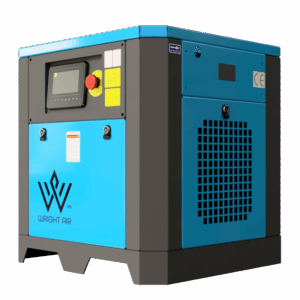

Screw Compressors

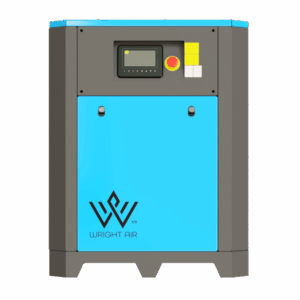
Screw Compressors