When manufacturers evaluate a compressed air system, the initial purchase price often receives the most attention. However, the purchase price of a compressor is typically only a small portion of the total cost of owning and operating the system.
In reality, the majority of the expense comes from energy consumption, maintenance, and system inefficiencies over time. Understanding the true lifetime cost of compressed air allows businesses to make smarter investment decisions that reduce operating costs and improve reliability.
Why Purchase Price Is Misleading
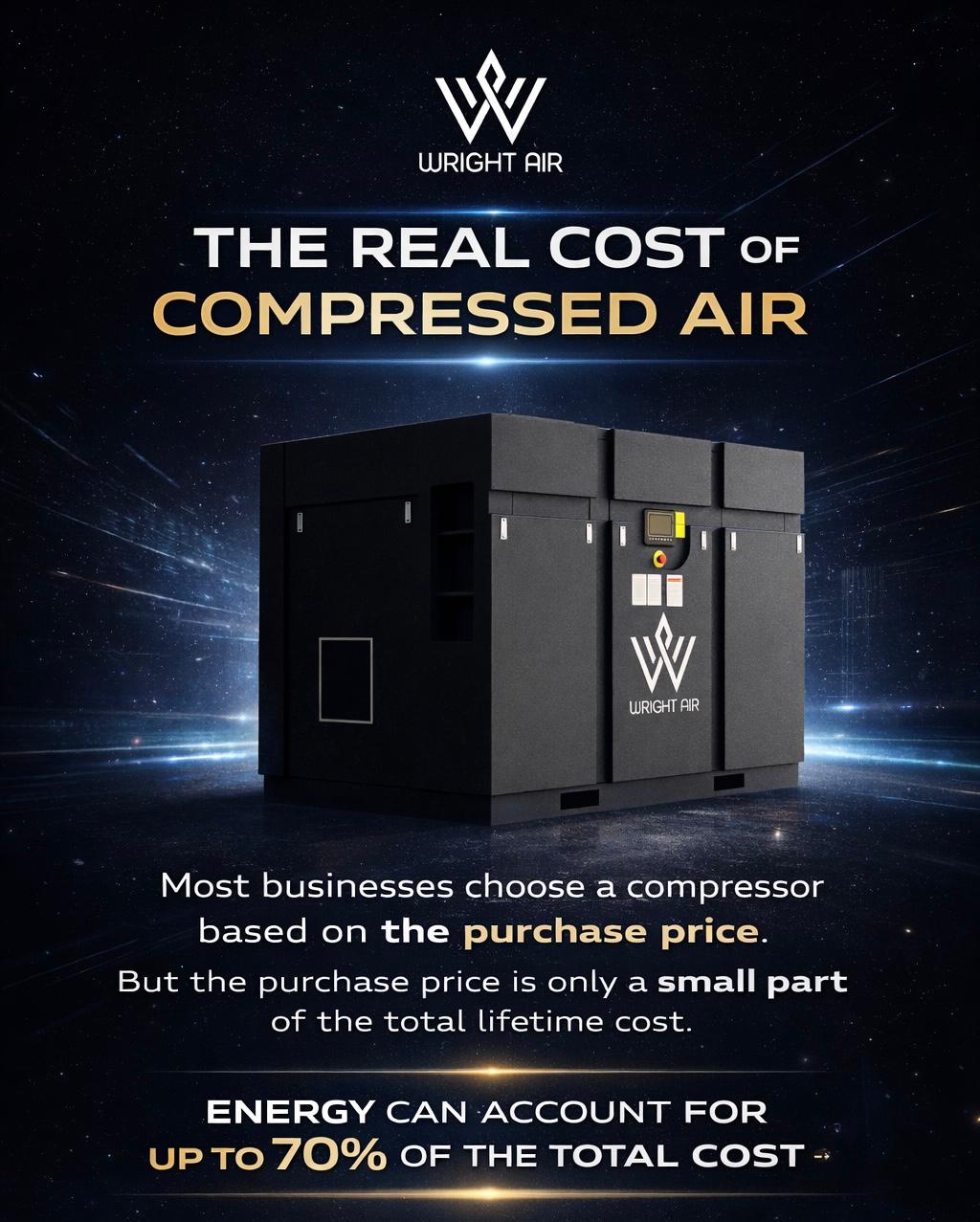
A compressor may appear affordable based on its upfront price, but this can be misleading. In most industrial facilities, the purchase cost represents only around 10% of the compressor’s total lifecycle cost.
The remaining 90% is made up of electricity usage, maintenance requirements, downtime risks, and system losses. Choosing equipment based solely on initial cost can therefore lead to significantly higher long-term expenses.
The Major Cost Components of Compressed Air
To understand the true cost of compressed air, it is important to look at the major cost drivers across the lifecycle of the system:
- Energy Consumption – Electricity typically accounts for the largest portion of compressed air costs, often between 70% and 80% of total lifetime expenses.
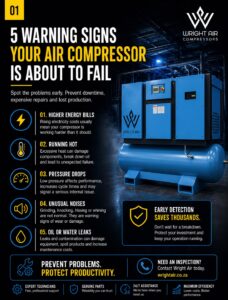
- Maintenance – Regular servicing, filters, lubricants, and component replacement all contribute to operating costs.
- Downtime – Unexpected compressor failures can interrupt production, resulting in lost productivity and revenue.
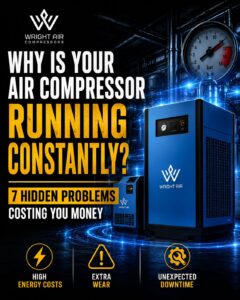
- System Losses – Air leaks, pressure drops, and poor system design can waste significant amounts of energy.
Why Energy Efficiency Matters
Because energy consumption is the largest contributor to compressed air costs, even small improvements in efficiency can produce substantial savings.
Technologies such as Variable Speed Drive (VSD) compressors, advanced control systems, and demand monitoring can reduce unnecessary energy use. Optimising system pressure and fixing leaks also deliver immediate efficiency gains.
Making Better Investment Decisions
When evaluating compressed air equipment, manufacturers should focus on lifecycle value rather than initial price alone. A slightly higher upfront investment in efficient technology can generate major cost savings over the lifespan of the system.
- Energy efficiency ratings
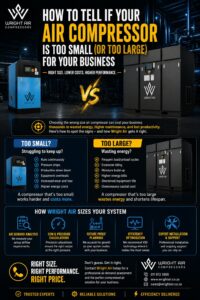
- System sizing and demand profile
- Maintenance requirements
- Reliability and service support
Conclusion
Compressed air is one of the most important utilities in manufacturing, but it is also one of the most expensive if not managed correctly.
By focusing on the total cost of ownership rather than the purchase price, businesses can reduce energy consumption, minimise downtime, and improve overall operational efficiency.
A well-designed compressed air system is not just equipment—it is a long-term investment in productivity and cost control.
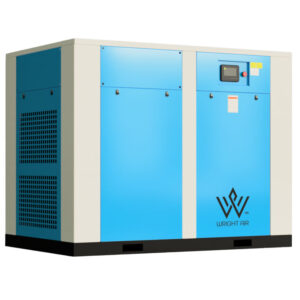
Two Stage Screw Compressors

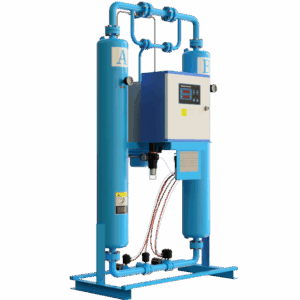

Desiccant Dryer
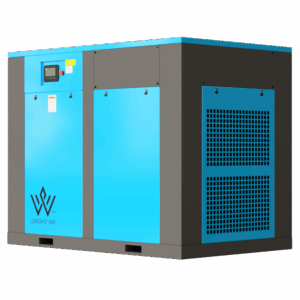
Screw Compressors
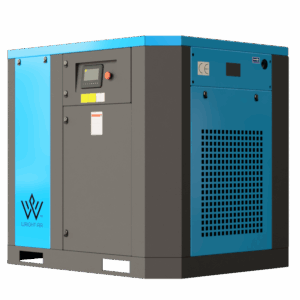

Screw Compressors
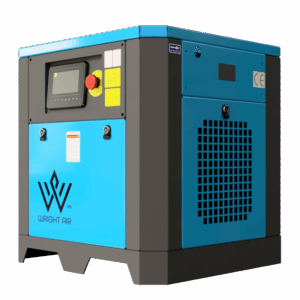

Screw Compressors

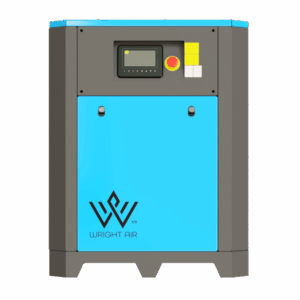
Screw Compressors